10 Best HeyGen Alternatives for AI Video Dubbing in 2026


HeyGen redefined how businesses create avatar-led videos, and its translation feature turned a single recording into 175+ language versions with lip-synced dubbing. But two shifts in 2025 and 2026 changed the calculus for many teams. First, HeyGen moved from unlimited translation minutes to a credit-based model, making high-volume localization significantly more expensive. Second, dedicated dubbing platforms matured to the point where avatar generation and dubbing became distinct product categories with different leaders.
For teams that originally chose HeyGen because it was the only platform combining avatars and translation, the alternatives now available offer deeper dubbing quality, broader language support, or substantially lower costs, and in some cases, all three.
Why Teams Are Leaving HeyGen in 2026
The reasons for switching cluster around three recurring themes in user reviews and community discussions.
The Credit Model Changed the Economics
HeyGen's shift from unlimited dubbing minutes to credit-based pricing hit teams with high translation volumes hardest. Lip-synced translation now costs 5 credits per minute. A Creator plan ($29/month) includes approximately 200 credits, yielding roughly 40 minutes of lip-synced dubbed content. For teams localizing 10 or more videos per month across multiple languages, the monthly allocation runs out fast, and overage costs add up.
Avatar-First Design Limits Dubbing Depth
HeyGen was built for creating new videos with AI avatars, not for dubbing existing footage. The video dubbing workflow is an addition to the platform, not its foundation. Teams that primarily need to localize existing video content, such as training courses, documentaries, product demos, or marketing campaigns filmed with real presenters, often find the avatar-centric interface adds friction rather than removing it.
Language Quality Varies Outside Major Markets
HeyGen's 175+ language claim covers avatar voiceover support. For dubbed video translation with voice cloning and lip sync, quality drops noticeably outside the top 20 languages by training data volume. Tonal languages (Mandarin, Vietnamese, Thai) and fast-paced speech in any language remain challenging across the platform's current models.
Top 10 HeyGen Alternatives
1. CAMB.AI
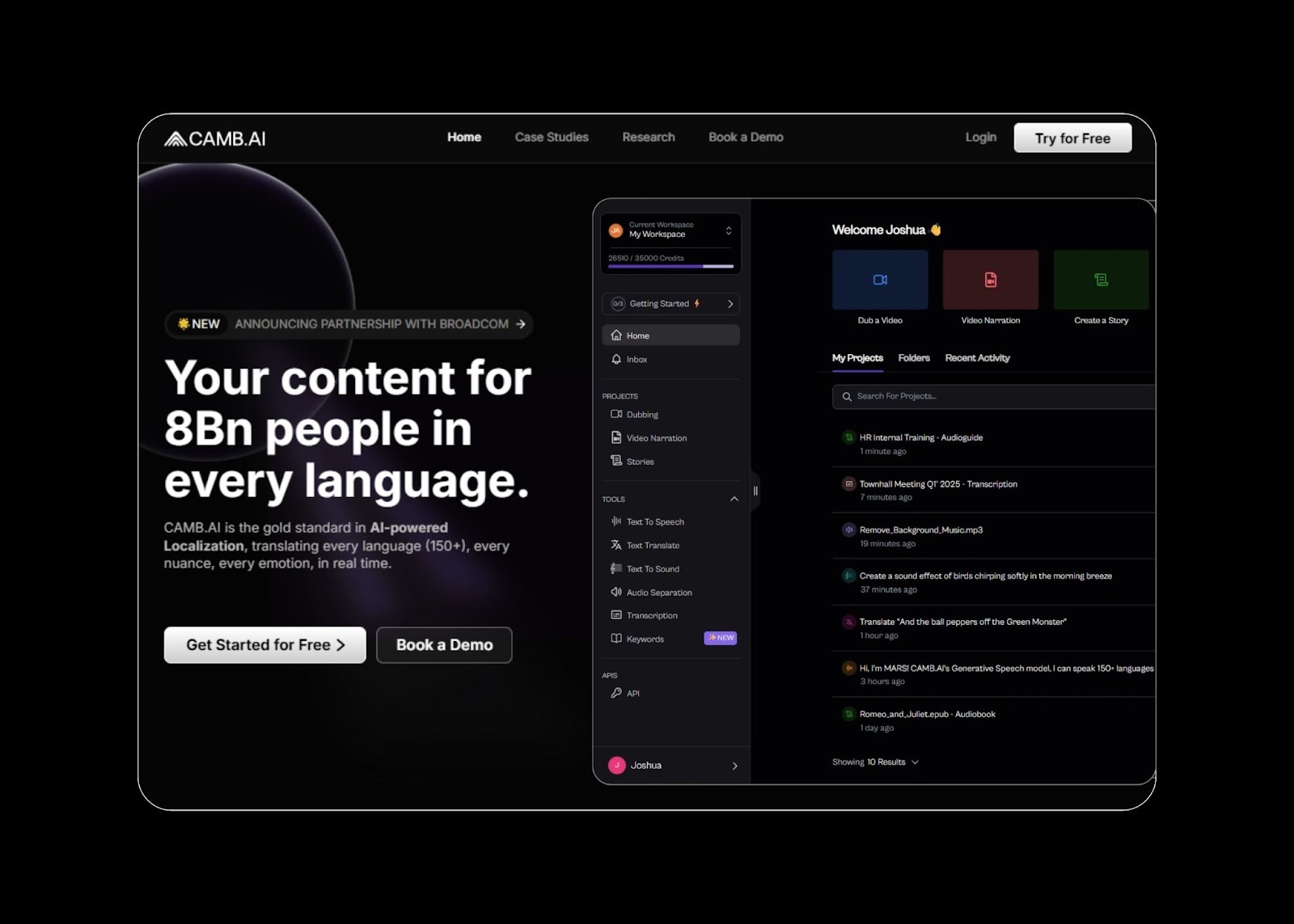
CAMB.AI specializes in authentic AI dubbing with voice preservation across 150+ languages. Major organizations, including IMAX, Major League Soccer, and the Australian Open rely on CAMB.AI for content localization.
Core Features:
- Voice cloning requires only 2-3 seconds of audio
- 150+ language support with cultural localization
- Multi-speaker identification and handling
- Background audio preservation
- Perfect lip-sync alignment
- Real-time dubbing for live broadcasts
CAMB.AI maintains speaker identity, emotional tone, and cultural nuance across languages, making it ideal for content creators requiring professional multilingual dubbing.
Best For: Content creators, media companies, and broadcasters localizing entertainment, sports, educational content, and live events globally.
2. Synthesia
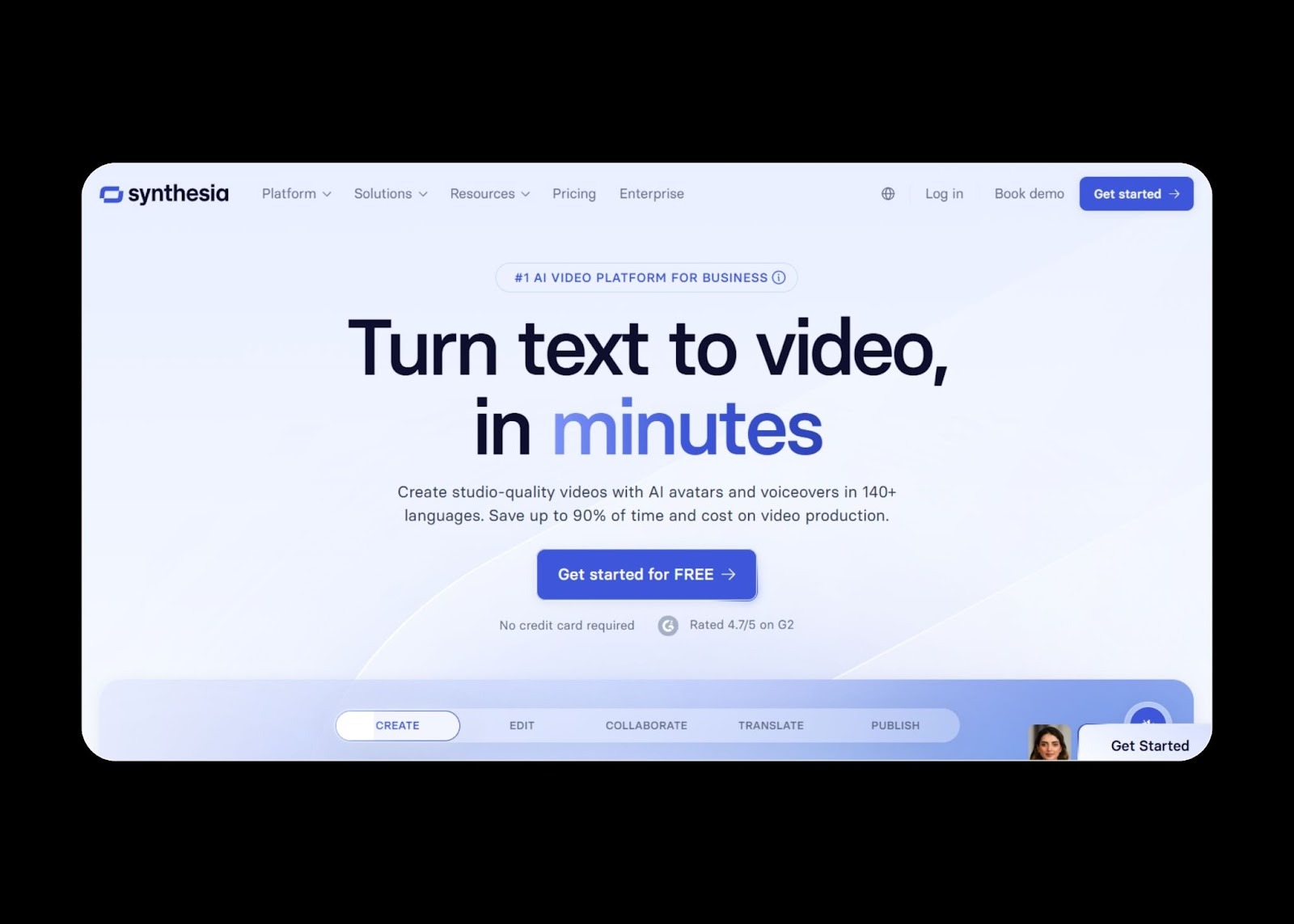
Synthesia provides AI avatar videos for corporate communication with 160+ avatars speaking 130+ languages.
Strengths: Professional avatar quality, corporate template library
Limitations: Avatar-focused rather than dubbing-focused
Best For: Enterprise teams creating internal training videos.
3. Colossyan
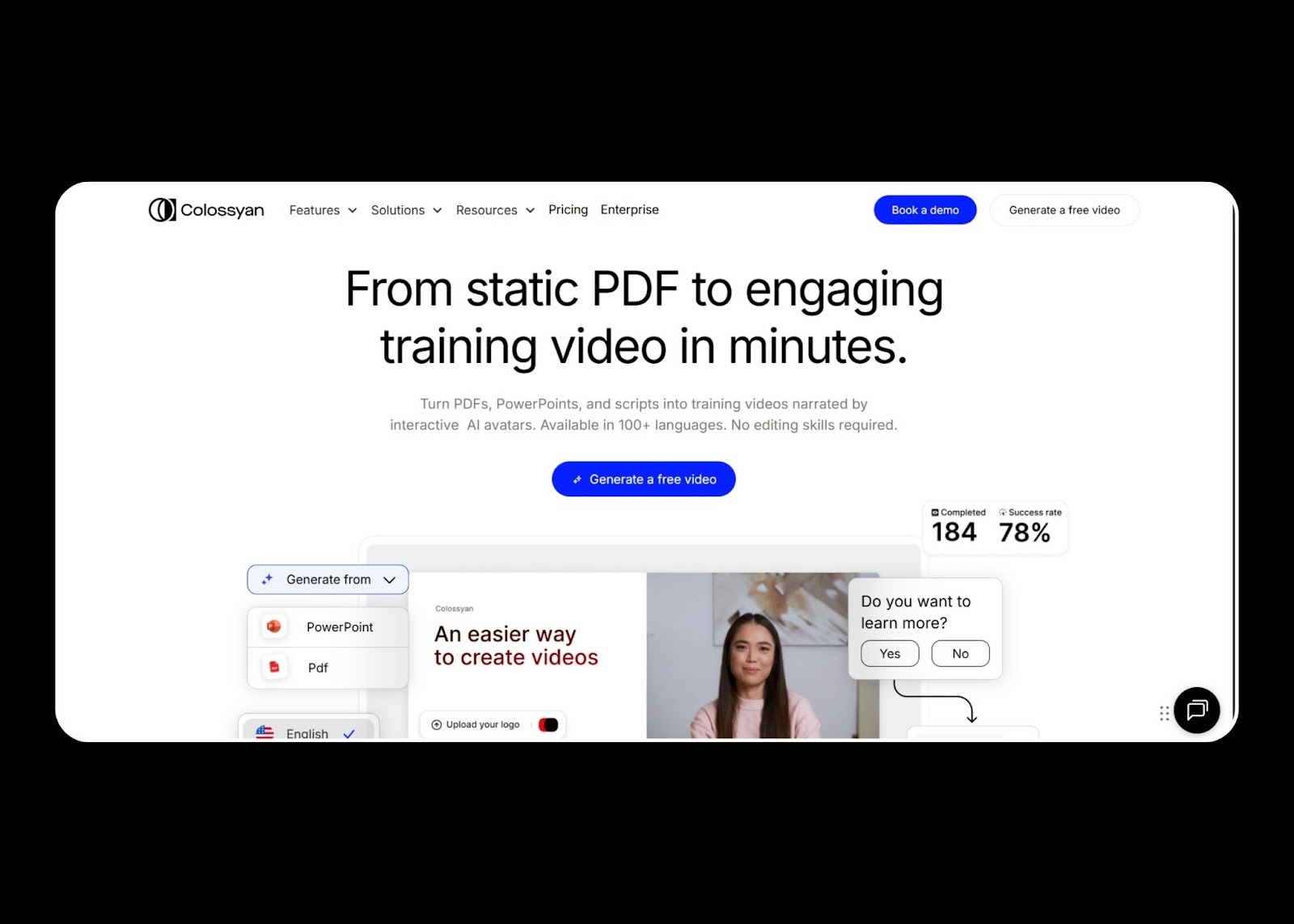
Colossyan produces AI videos with diverse avatars supporting 70+ languages.
Strengths: Avatar diversity, multi-avatar conversation scenarios
Limitations: Fewer languages than specialized dubbing platforms
Best For: Corporate training requiring diverse representation.
4. Rask AI
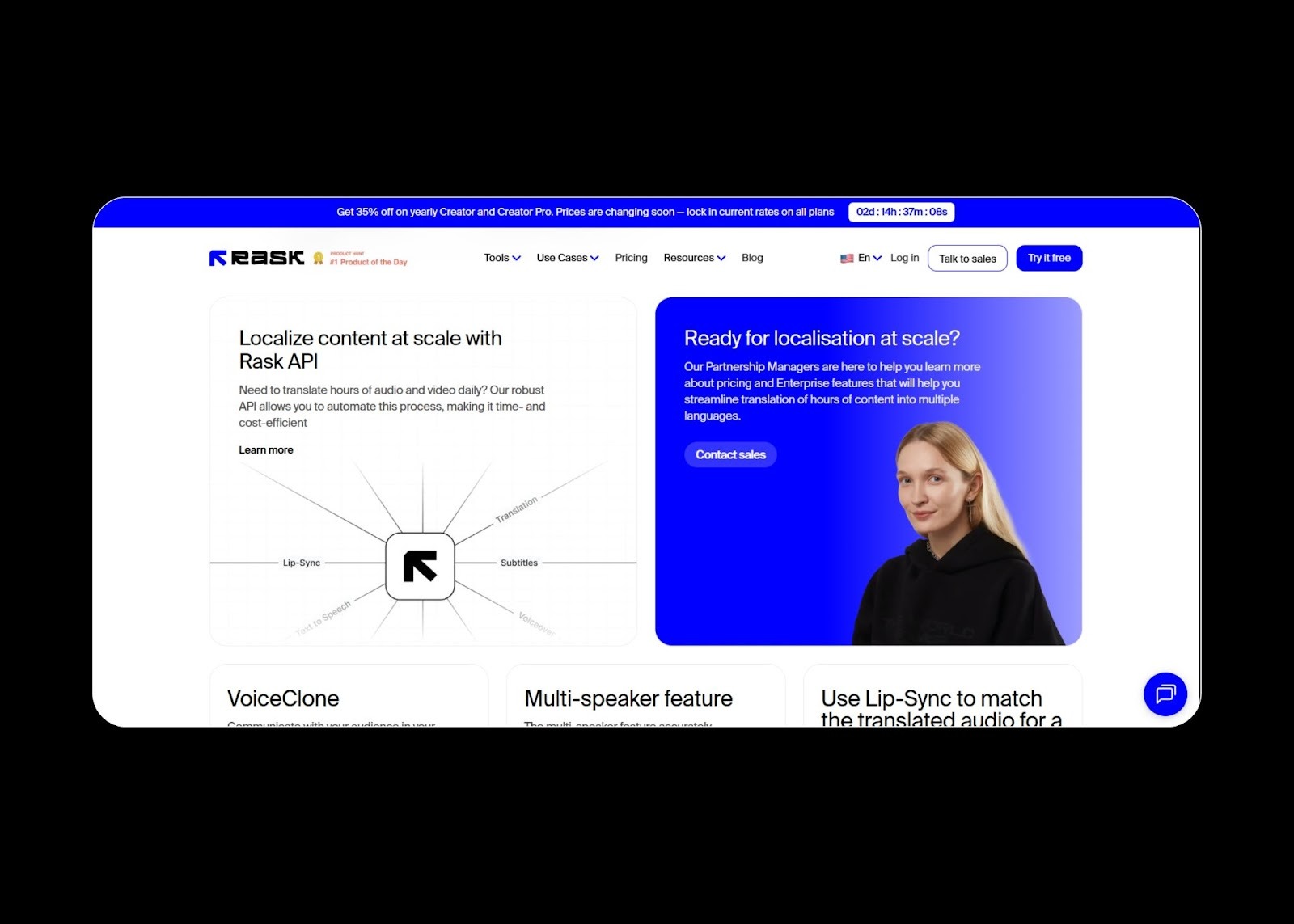
Rask AI offers video translation, dubbing, and localization with voice cloning capabilities.
Strengths: Comprehensive localization features, voice cloning
Limitations: Translation consistency varies, monotonic voice output
Best For: Creators needing all-in-one localization with editing.
5. PlayAI
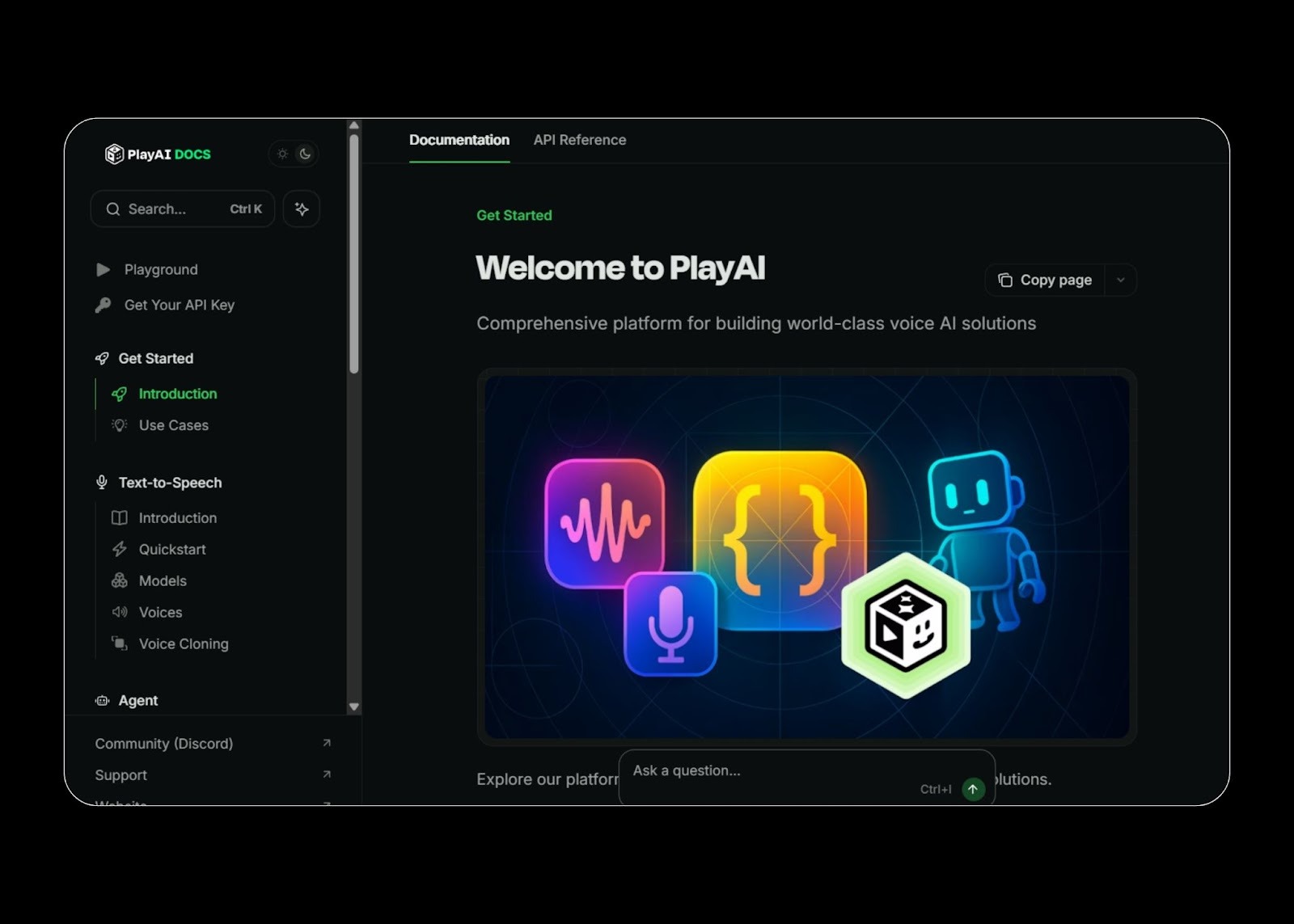
PlayAI generates realistic voices with emotional depth and multi-speaker capabilities.
Strengths: Emotional control, realistic output
Limitations: Fewer languages than comprehensive dubbing platforms
Best For: Creators needing emotional voice-overs for video content.
6. D-ID
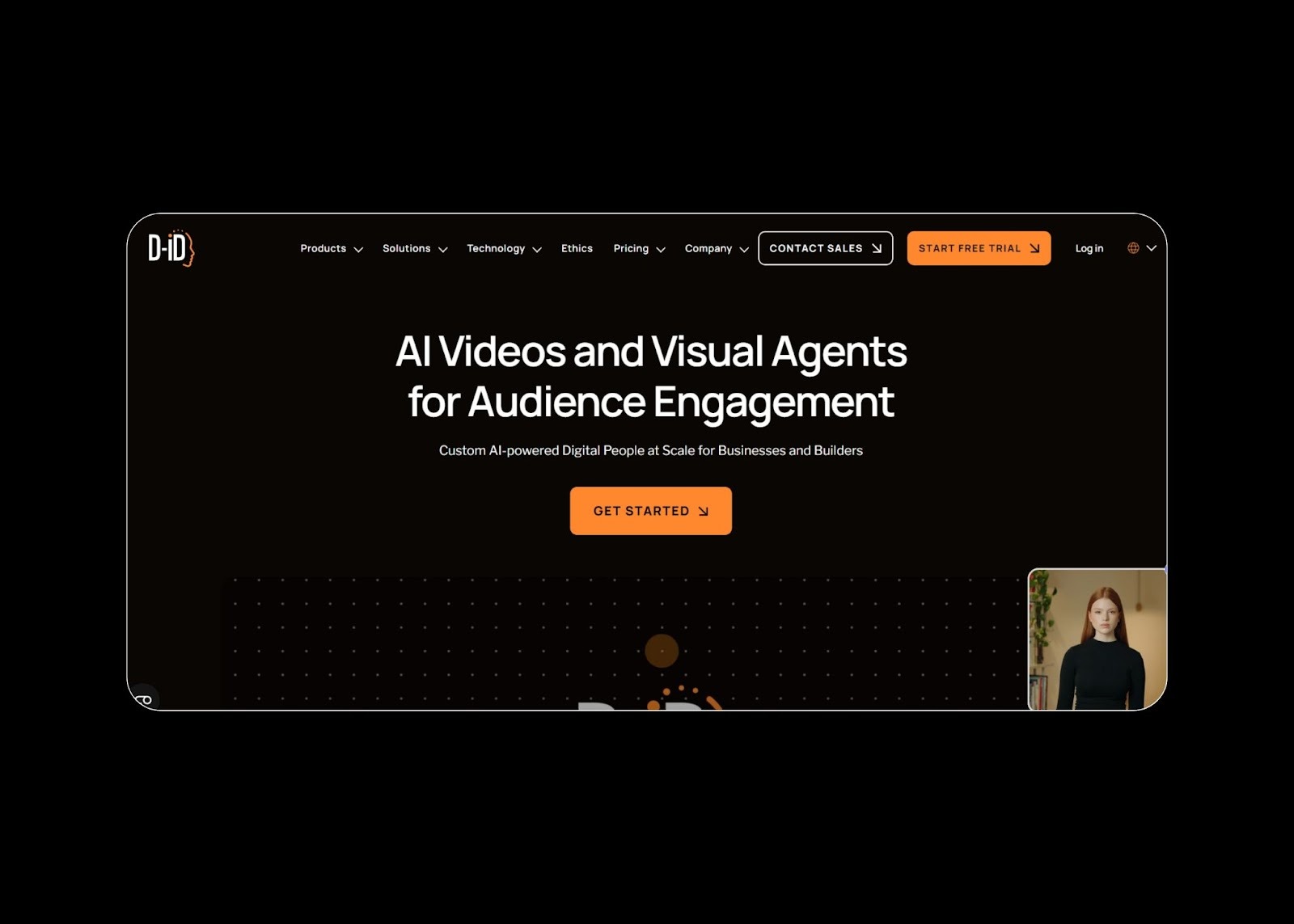
D-ID transforms photos into talking avatars, simplifying presenter video creation.
Strengths: Easy photo animation, straightforward interface
Limitations: Limited dubbing capabilities, focuses on avatar generation
Best For: Creators turning portraits into animated presenters.
7. Elai.io
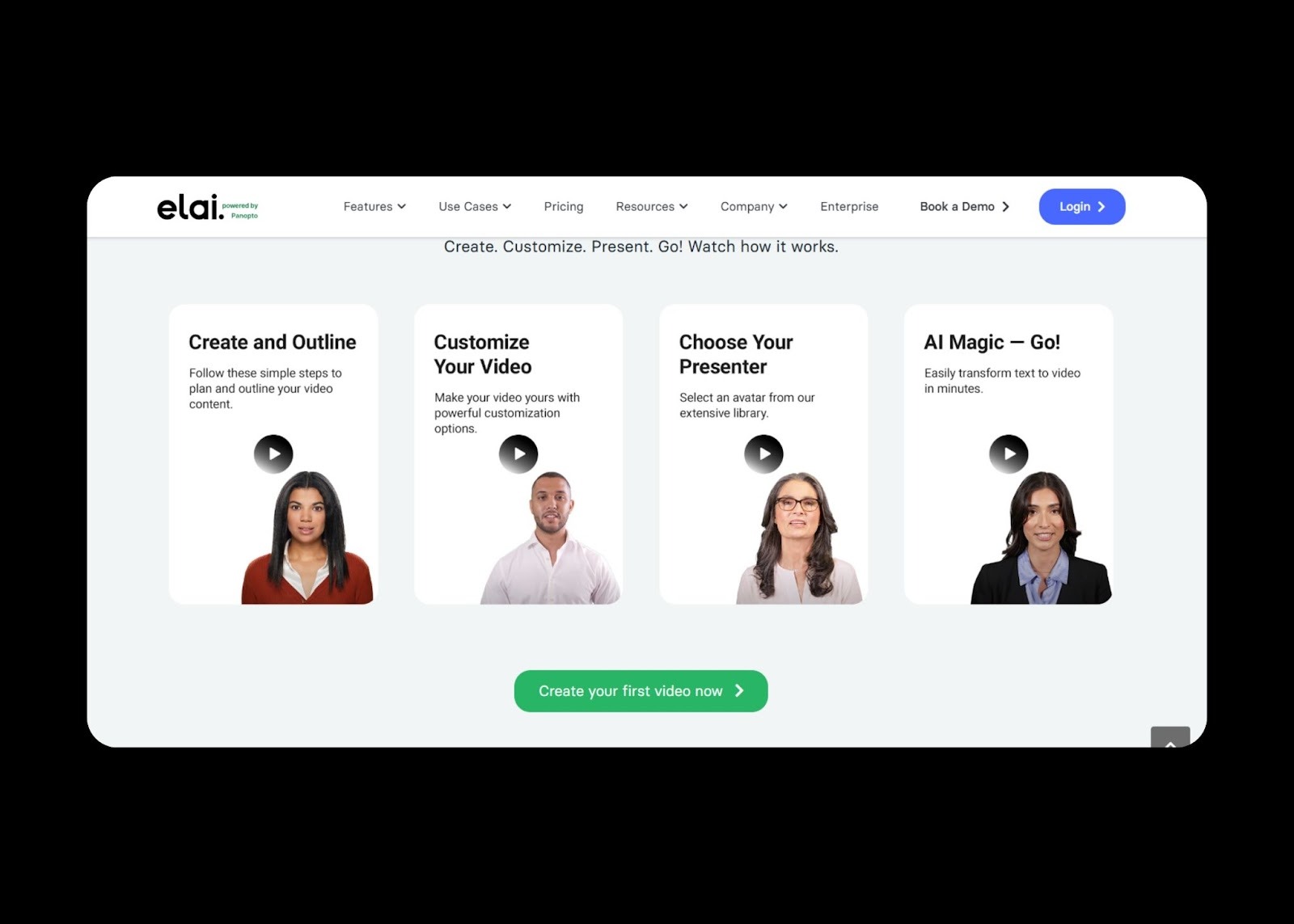
Elai.io enables text-to-video creation with custom avatar options for brand consistency.
Strengths: Custom avatar ownership, multilingual capabilities
Limitations: Primarily avatar-focused
Best For: Brands needing consistent spokesperson representation.
8. DeepBrain AI
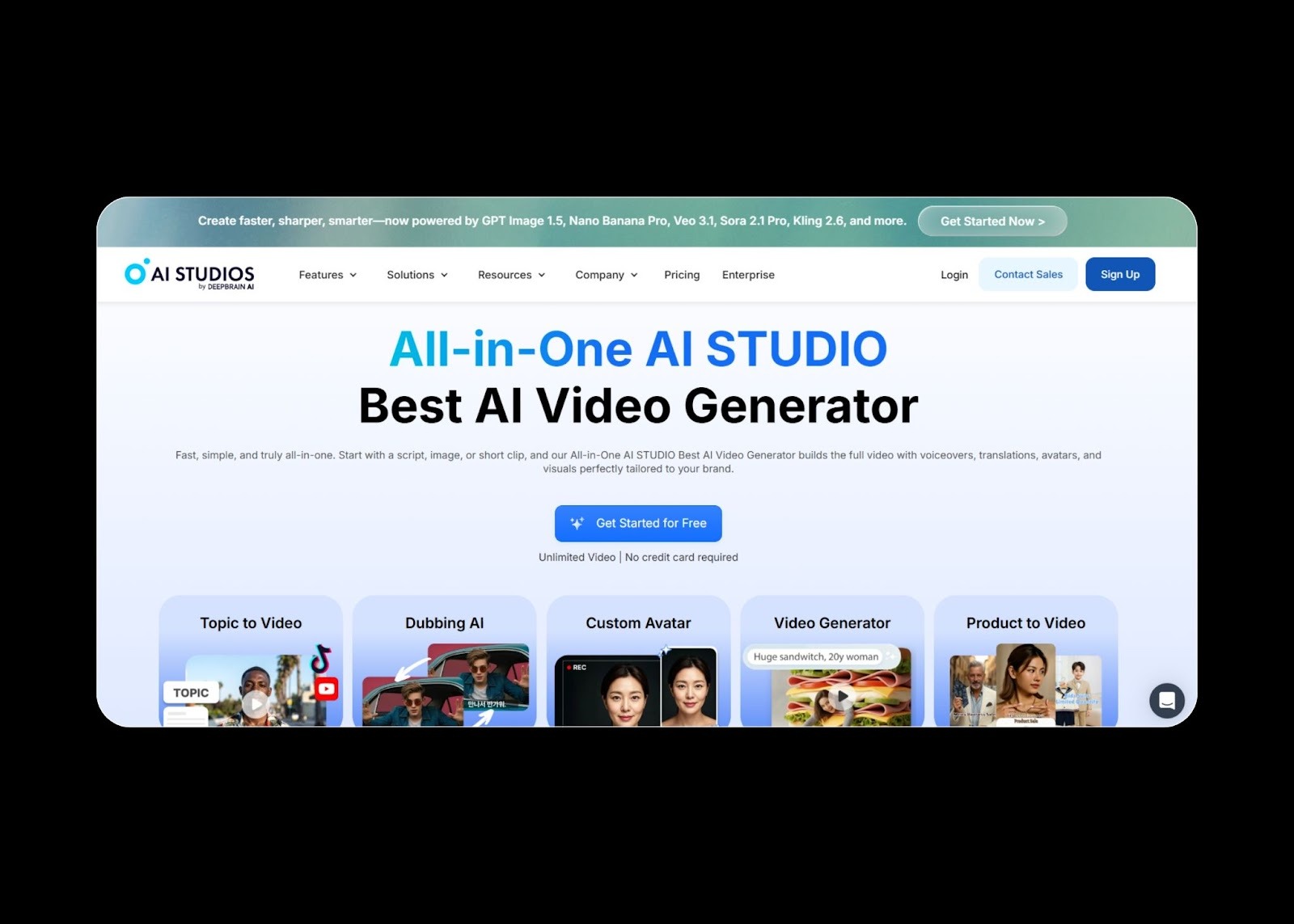
DeepBrain AI produces broadcast-quality avatar videos emphasizing TV-grade realism.
Strengths: High avatar realism, professional output
Limitations: Higher pricing, avatar-centric
Best For: Enterprise organizations producing news-style videos.
9. Hour One
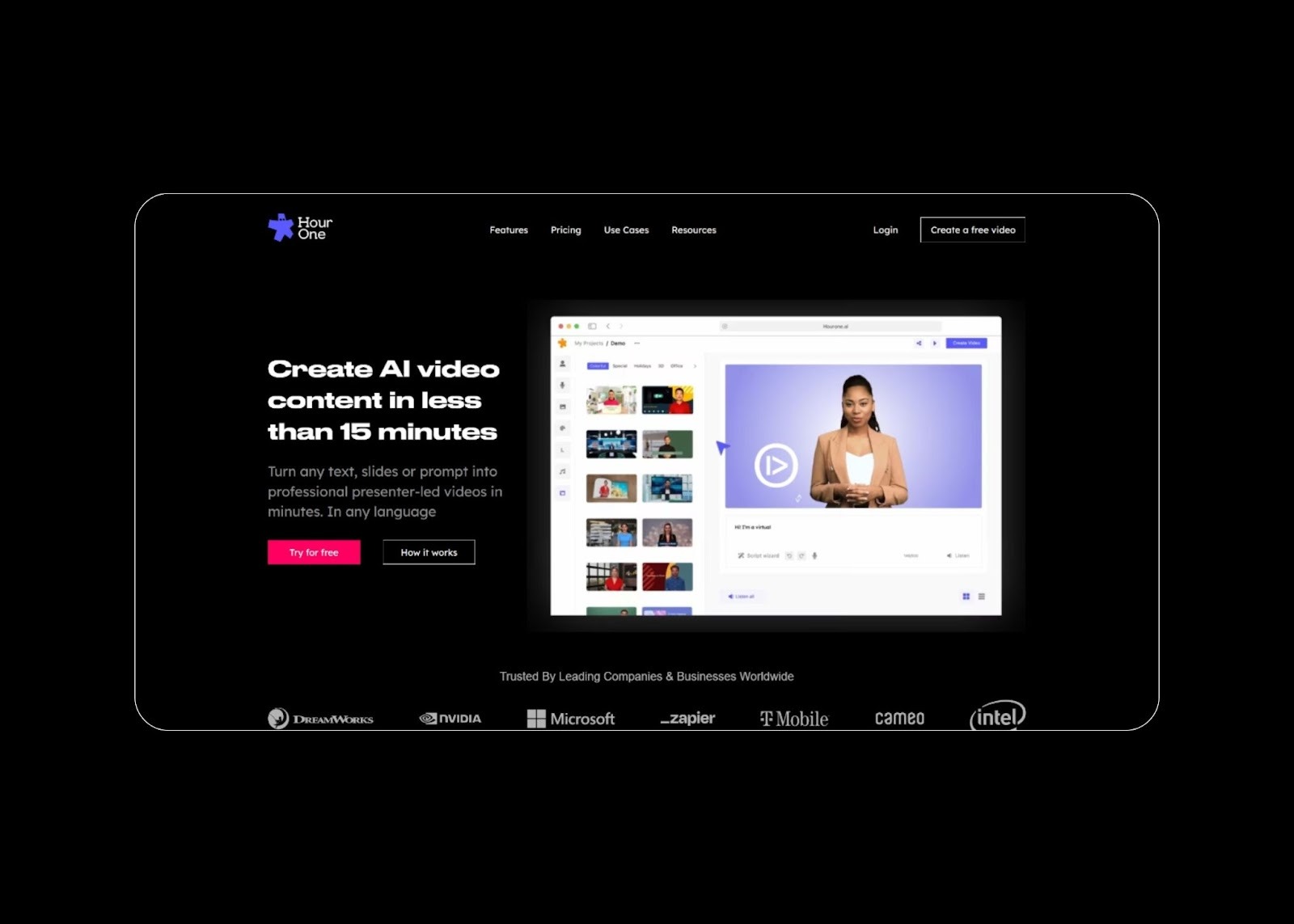
Hour One creates professional avatar videos for business communication and training content.
Strengths: Business-focused templates, avatar quality
Limitations: Limited customization, avatar-centric platform
Best For: Corporate teams creating polished communication videos.
10. Descript
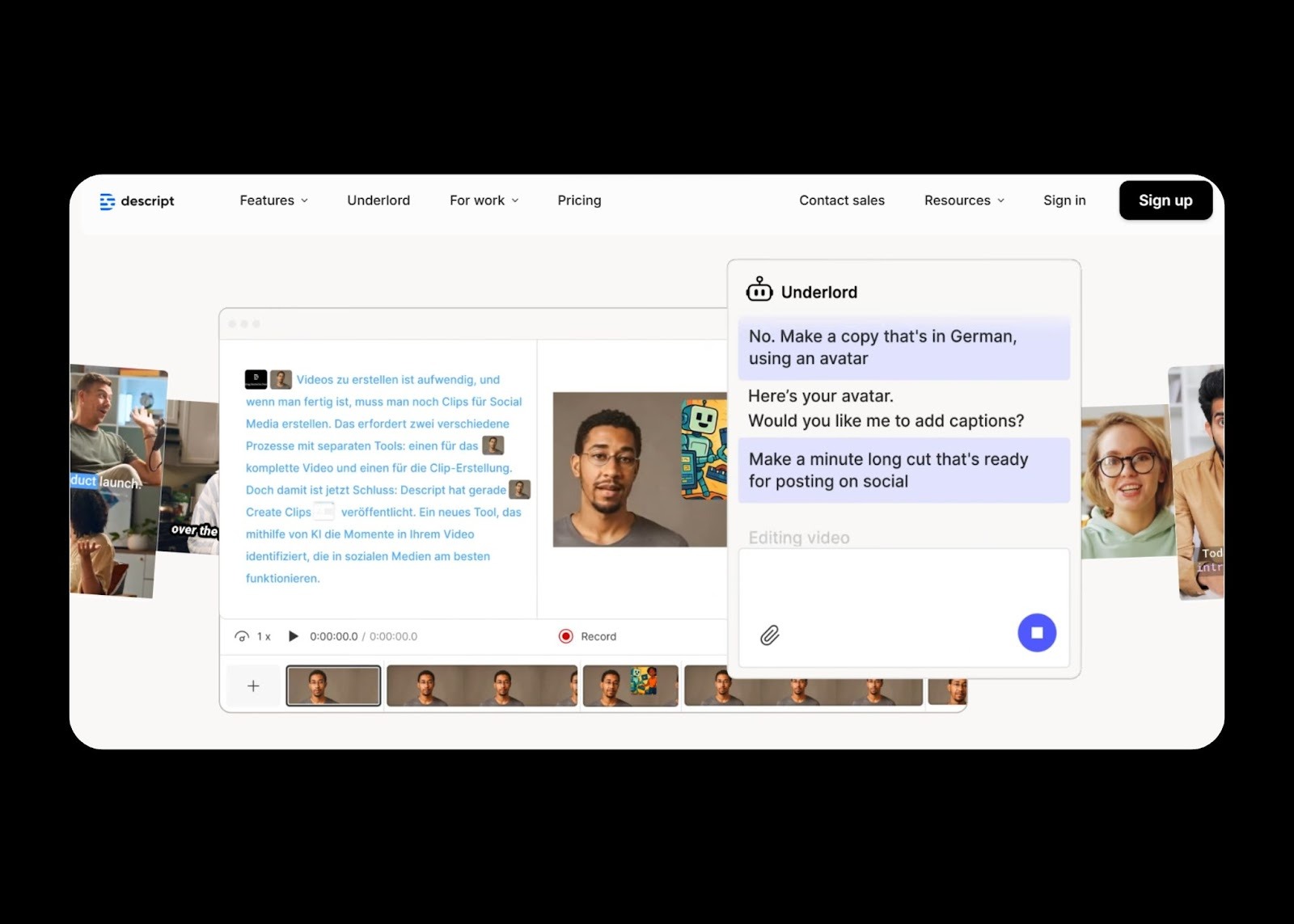
Descript provides text-based editing with AI transcription and overdub features.
Strengths: Text-based workflow, screen recording integration
Limitations: Steep learning curve, limited multilingual dubbing
Best For: Podcast creators needing editing with AI features.
Comparison: HeyGen vs the Top Alternatives
The table below compares HeyGen against platforms that serve the primary use cases driving switches. Each column was verified against current pricing pages as of mid-2026.
If You Use HeyGen for X, Switch to Y
Different use cases call for different platforms. The guide below maps the most common HeyGen workflows to the alternative that handles each one more effectively.
Avatar Videos for Corporate Training
Stay with HeyGen or switch to Synthesia. Both platforms specialize in avatar-led content. Synthesia offers stronger enterprise features (LMS integration, SCORM, compliance). HeyGen offers broader language coverage for avatar voiceovers.
Dubbing Existing Marketing Videos
Switch to CAMB.AI. The full dubbing pipeline with voice cloning and lip sync replaces the multi-tool workflow HeyGen requires. At volume, GPU-based pricing is more predictable than credit-based billing.
Localizing Long-Form Content (Courses, Documentaries)
Switch to CAMB.AI or evaluate Rask AI. Long-form content consumes HeyGen credits rapidly. CAMB.AI's 150+ language support and speaker diarization handle multi-speaker, multi-hour content natively. Rask AI's script editor adds value for teams that need translator-level review before export.
Live Broadcast Translation
Switch to CAMB.AI. HeyGen does not offer live dubbing. DubStream is the only option on this list for real-time multilingual broadcast dubbing.
Your Videos Already Have the Right Voices
The speakers in your existing content already carry the tone, authority, and personality your audience trusts. Replacing those voices with generic AI presenters loses more than it gains when your goal is multilingual reach. Dubbing that preserves the original speaker across languages keeps what already works and extends it to the 99% of the world's speaking population you are not reaching yet.
Getting Started with CAMB.AI
CAMB.AI provides enterprise-grade dubbing for content localization:
- Upload video content or connect live streams
- Select target languages from 140+ options
- Enable voice cloning to preserve speaker identity
- Generate dubbed content with automatic lip-sync
- Review cultural adaptations and publish
The platform handles everything from Hollywood films to live sports commentary, delivering broadcast-quality results that preserve emotional authenticity across languages.
Conclusion
HeyGen serves avatar video creation well, but professional content localization demands specialized dubbing technology. CAMB.AI leads with voice cloning, extensive language support, and authentic emotional delivery, making it the top alternative for creators prioritizing quality multilingual content.
For teams focusing on avatar-led videos, platforms like Synthesia and Colossyan offer solid options. For genuine voice dubbing and localization, CAMB.A provides the technology trusted by global entertainment and media organizations.
Ya seas un profesional de los medios de comunicación o un desarrollador de productos de IA de voz, este boletín es tu guía de referencia sobre todo lo relacionado con la tecnología de voz y localización.
Preguntas frecuentes
Artículos relacionados