Text to Speech
Text-to-Speech in 150+ Languages With Voice Cloning and Emotion Control
CAMB.AI's MARS8 model family delivers natural, expressive speech synthesis in 150+ languages, with specialized models for real-time conversation, content production, and on-device deployment.
Why CAMB.AI
What Makes CAMB.AI Text-to-Speech Different?
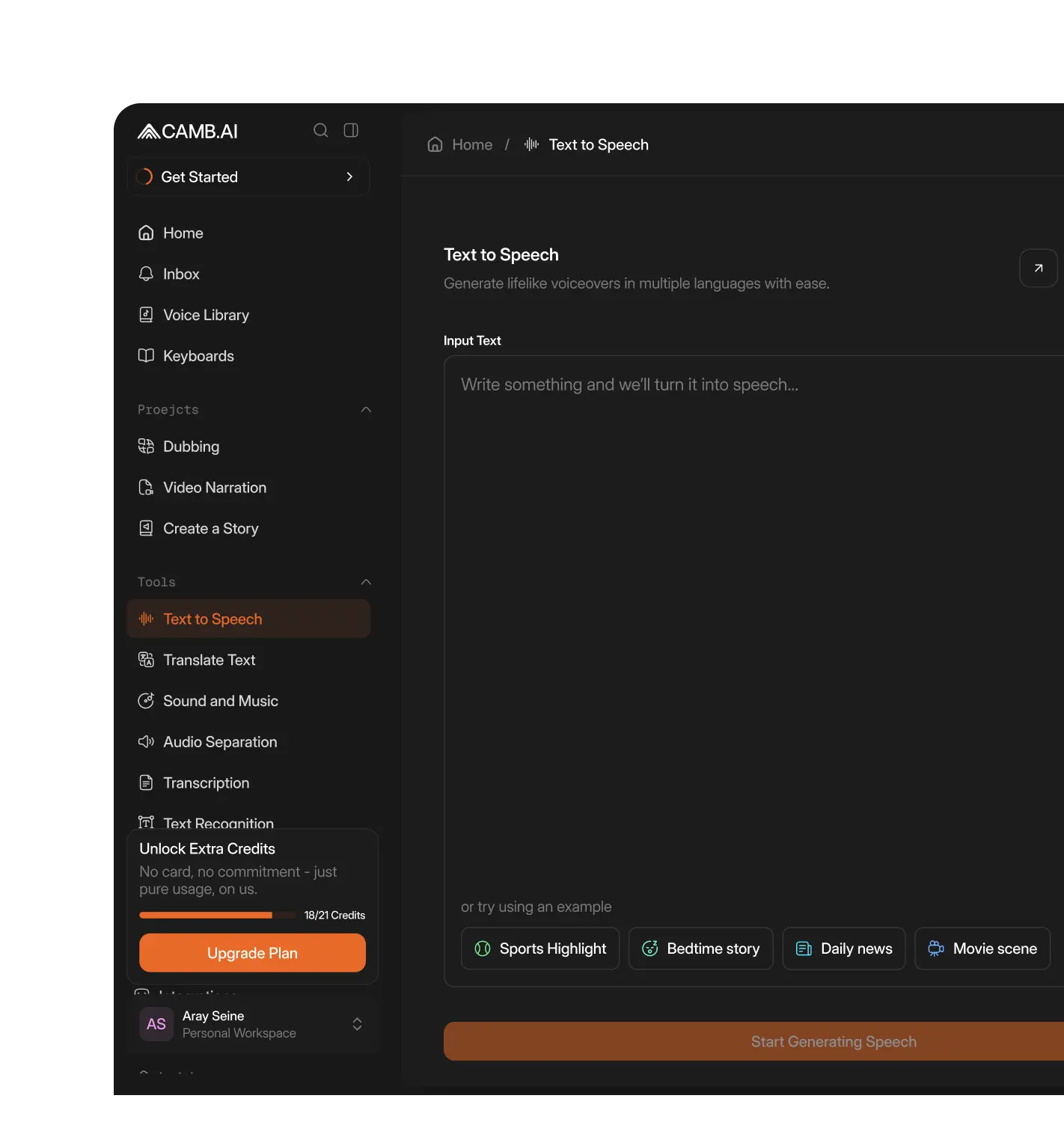
CAMB.AI converts written text into natural, human-sounding speech across 150+ languages, covering 99% of the world's speaking population. MARS8 is the first production-grade TTS model family with purpose-built models for distinct use cases, each optimized for a specific balance of latency, fidelity, and deployment requirements. MARS-Pro achieves 0.87 WavLM speaker similarity and 0.71 CMV similarity — a 38% improvement over the nearest competitor, as measured by the MAMBA benchmark.
Key Capabilities
Key Text-to-Speech Capabilities
CAPABILITIES
01 / 04
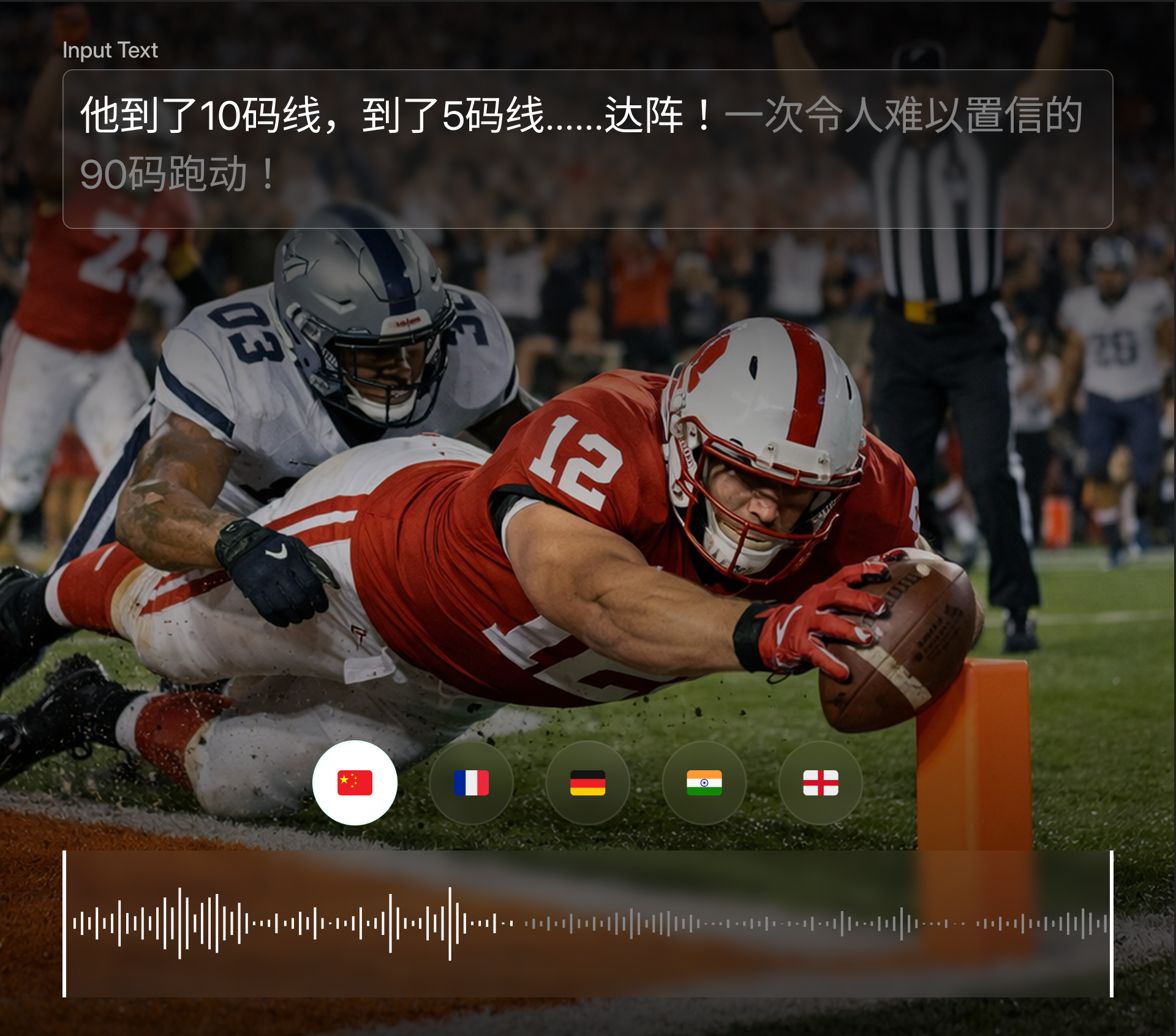
Natural Speech in 150+ Languages
Premium-tier languages (English, Hindi, French, Spanish, German, Japanese, Arabic, Korean, Chinese, Italian, Portuguese, Indonesian, Dutch) are trained on 10,000+ hours of data.
02 / 04
Voice Cloning
Clone any speaker's voice from a short reference sample and reproduce it across languages. MARS-Pro delivers 0.87 WavLM speaker similarity.
03 / 04
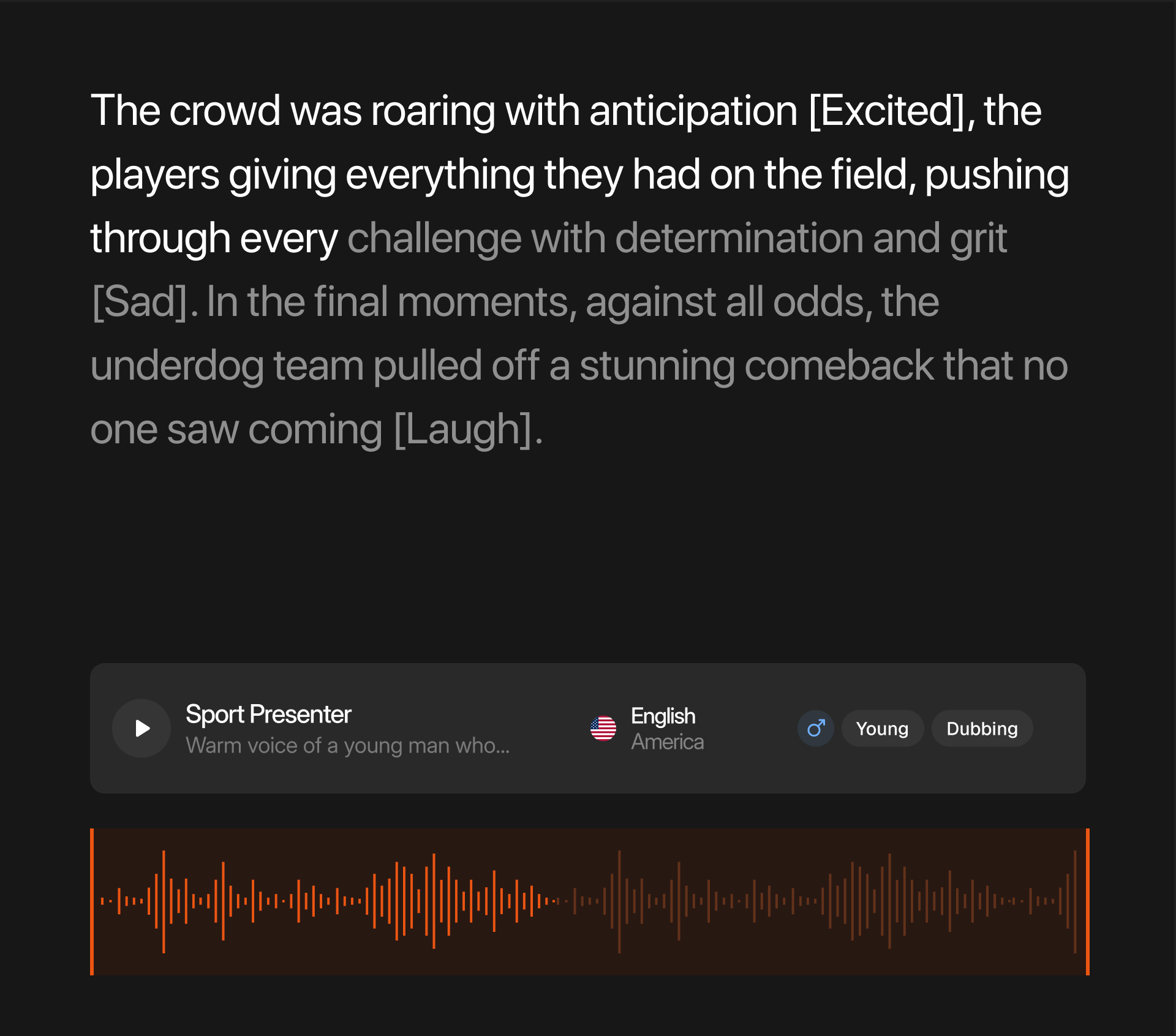
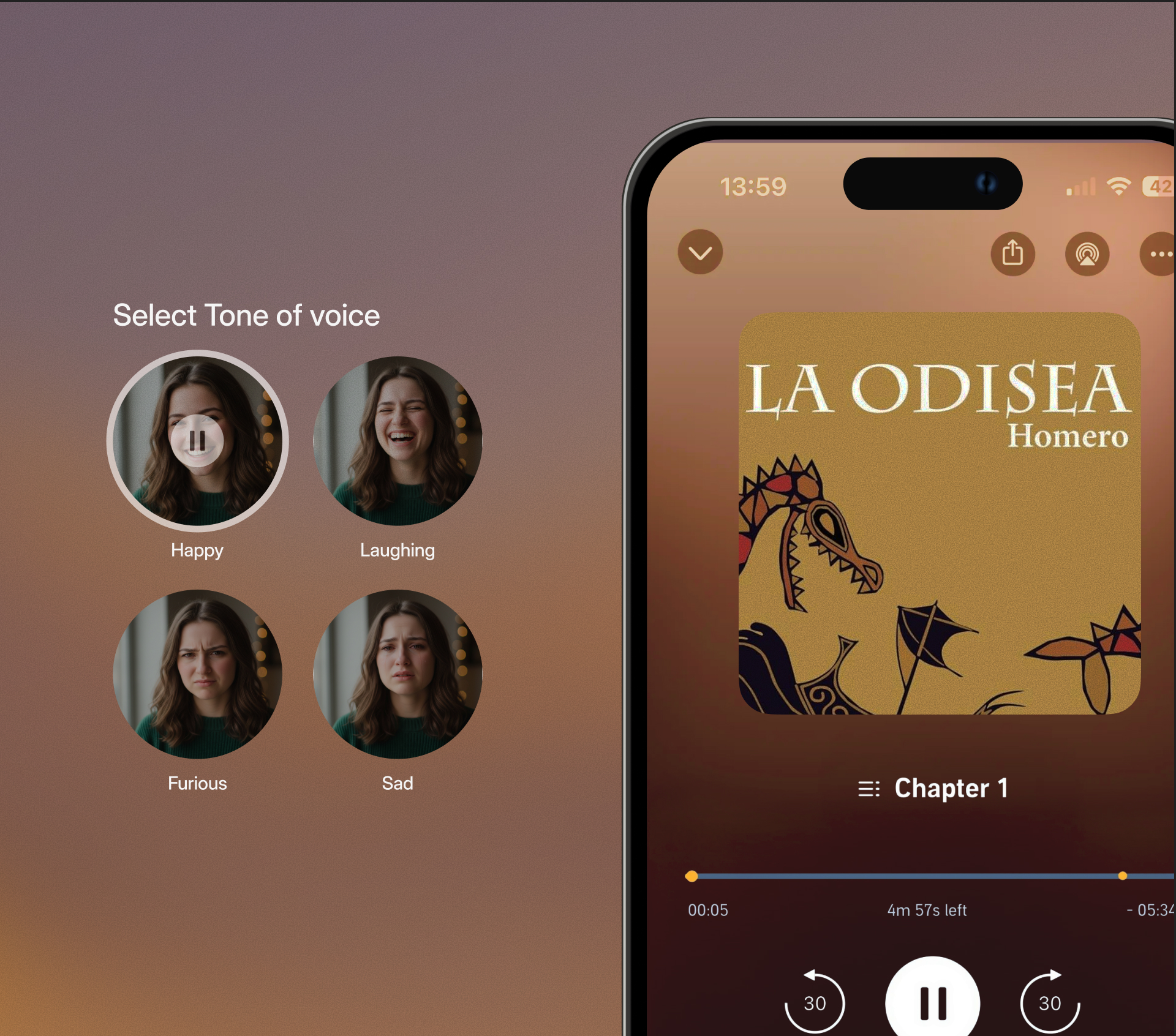
Emotion and Prosody Control
MARS-Instruct (1.2B parameters) provides director-level emotion controls for precise emotional delivery, pacing, and emphasis.
04 / 04
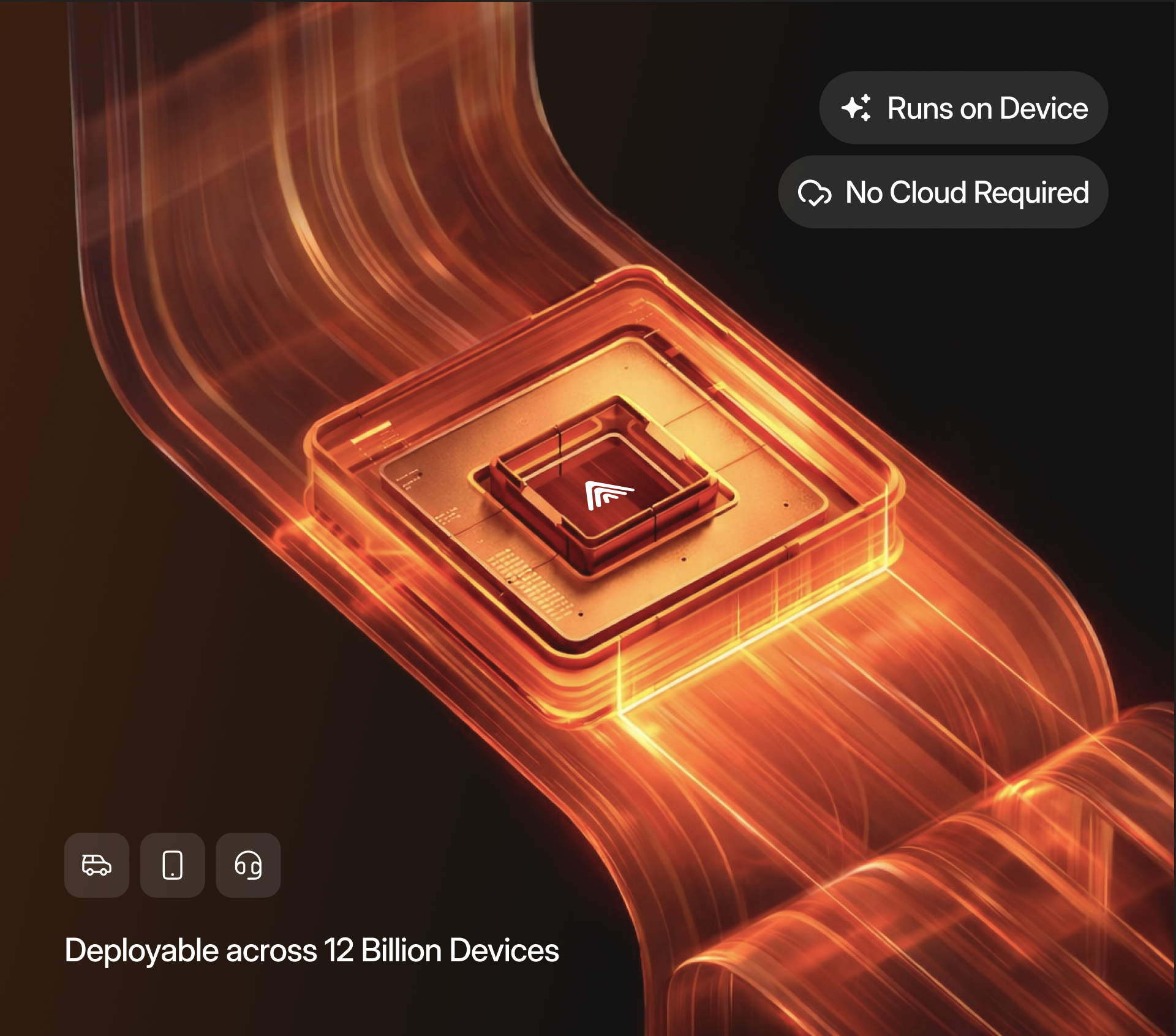
On-Device Deployment
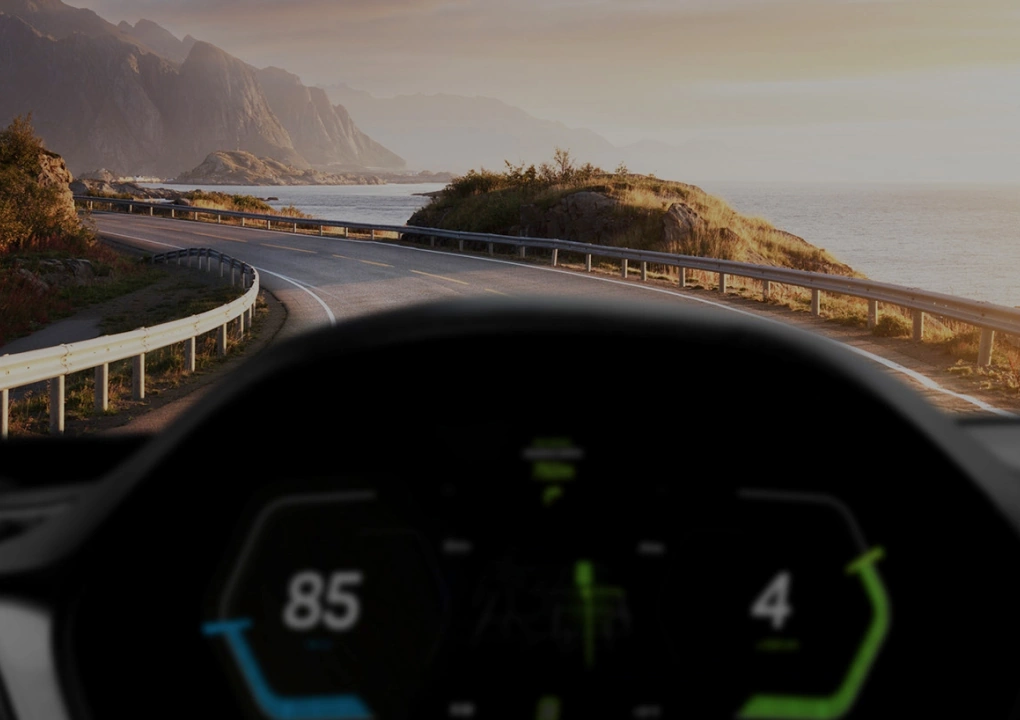
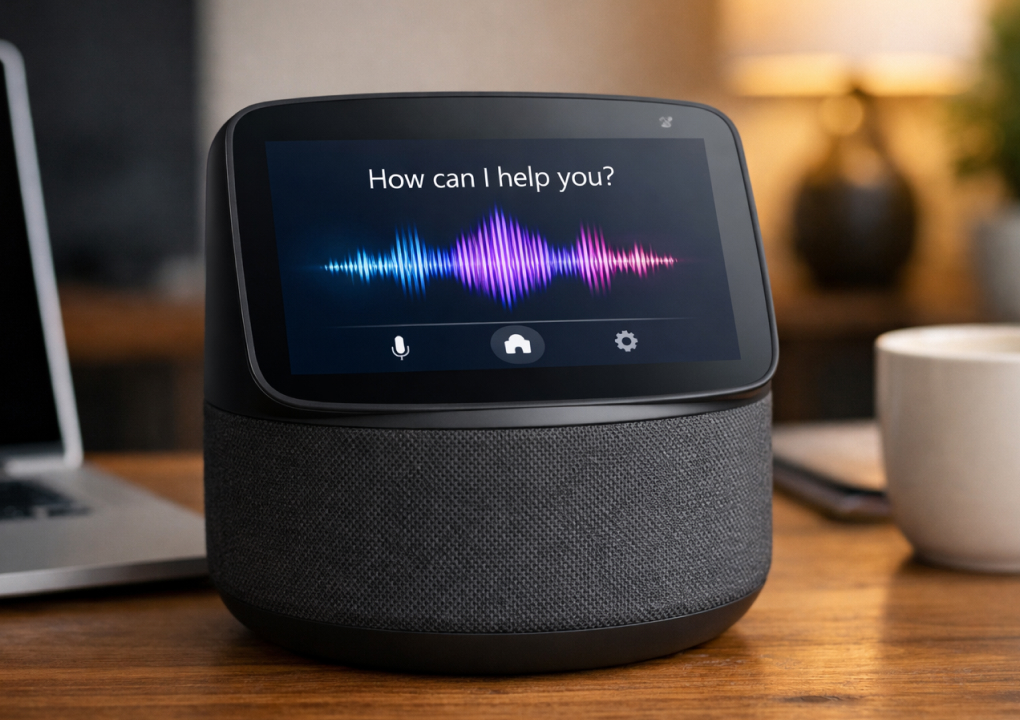
MARS-Nano is deployable across 12 billion devices, including smartphones, automotive systems, earbuds, and IoT hardware. No internet required.
Industries
Who Is Text-to-Speech Built For?
Tech Companies and Platform Developers
Engineering teams building voice-enabled applications, conversational interfaces, and multilingual user experiences.
OEMs and Device Manufacturers
Hardware companies embedding voice into smartphones, automotive systems, earbuds, smart home devices, and wearables.
Enterprise Organizations
Global enterprises needing multilingual voice for training content, IVR systems, and customer-facing support workflows.
Use Cases
Text-to-Speech in Action








How It Works
From Text to Speech in Four Steps
FAQs