10 Best Dubverse Alternatives for Voice Dubbing in 2026


Dubverse provides AI-powered dubbing, voiceovers, and subtitles across multiple languages. Creators needing extensive language support, perfect lip-sync, and cost-effective scaling often explore specialized alternatives.
We reviewed 30+ AI dubbing platforms, analyzed verified user feedback, and consulted with content creators to compile the 10 best Dubverse alternatives for voice dubbing in 2026.
Why Creators Seek Dubverse Alternatives
Dubverse offers solid dubbing features, but specific limitations drive creators toward alternative platforms:
Limited Language Support
Supporting 32 languages falls short for creators targeting global audiences. Professional dubbing platforms offer 100+ languages with dialect variations.
Poor Lip-Sync Quality
Users report lip synchronization not meeting claimed accuracy. Authentic avatar and video content require precise mouth movement alignment.
Restrictive Usage Limits and Credit System
Limited character counts and credit-based pricing create barriers for enterprise usage. Creators producing high-volume multilingual content need scalable solutions.
Top 10 Dubverse Alternatives
1. CAMB.AI
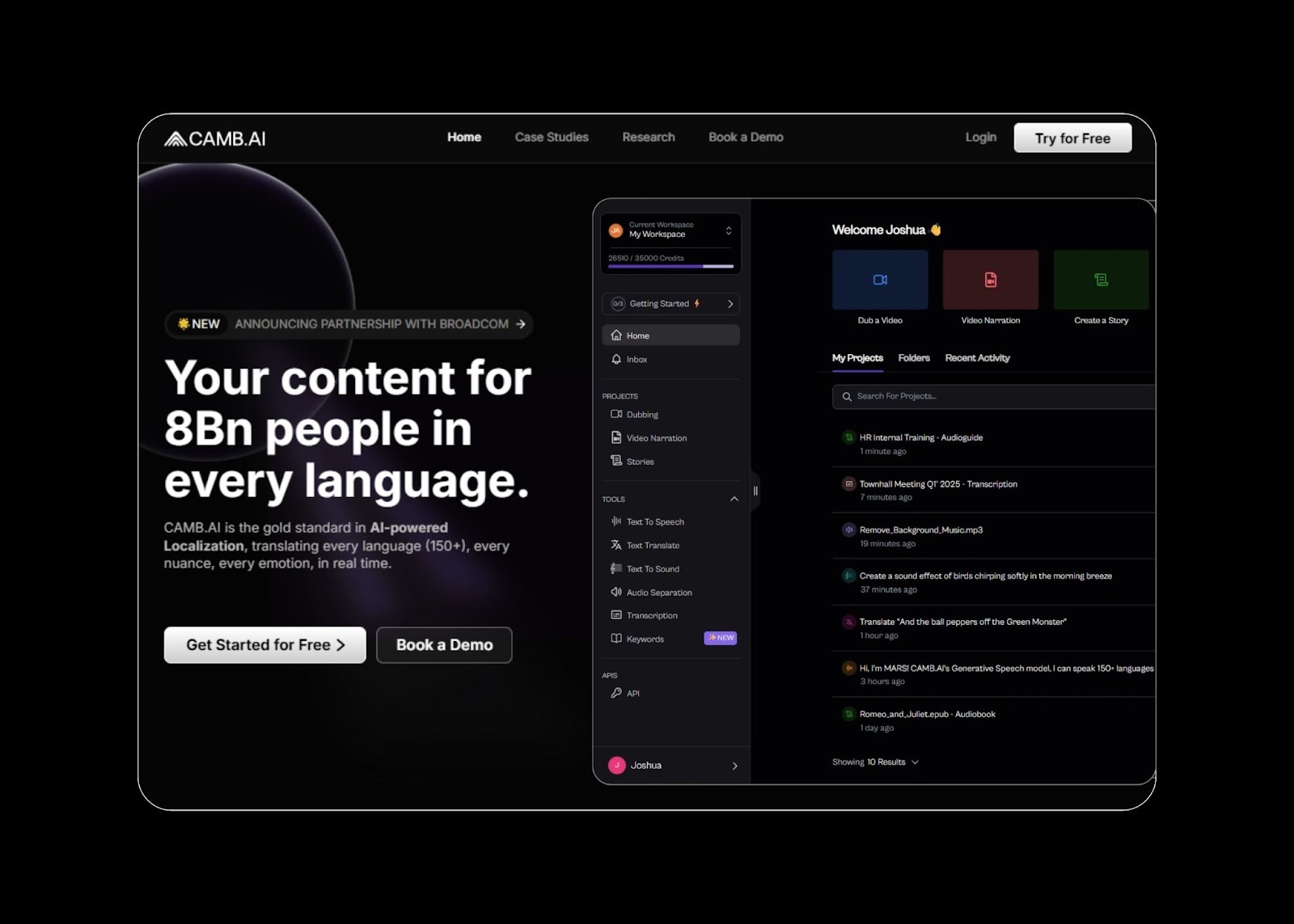
CAMB.AI leads professional AI dubbing with authentic voice preservation across 150+ languages. Trusted by IMAX, Major League Soccer, and the Australian Open for content localization.
Key Features:
- Voice cloning requires only 2-3 seconds of audio
- 140+ language support with cultural localization
- Multi-speaker detection and handling
- Background music preservation
- Perfect lip-sync alignment
- Real-time dubbing for live broadcasts
CAMB.AI's MARS voice model maintains speaker identity and emotional nuance across languages, delivering results matching professional voice actors.
Best For: Content creators, media companies, and broadcasters localizing entertainment, sports, education, and corporate content globally.
2. Akool
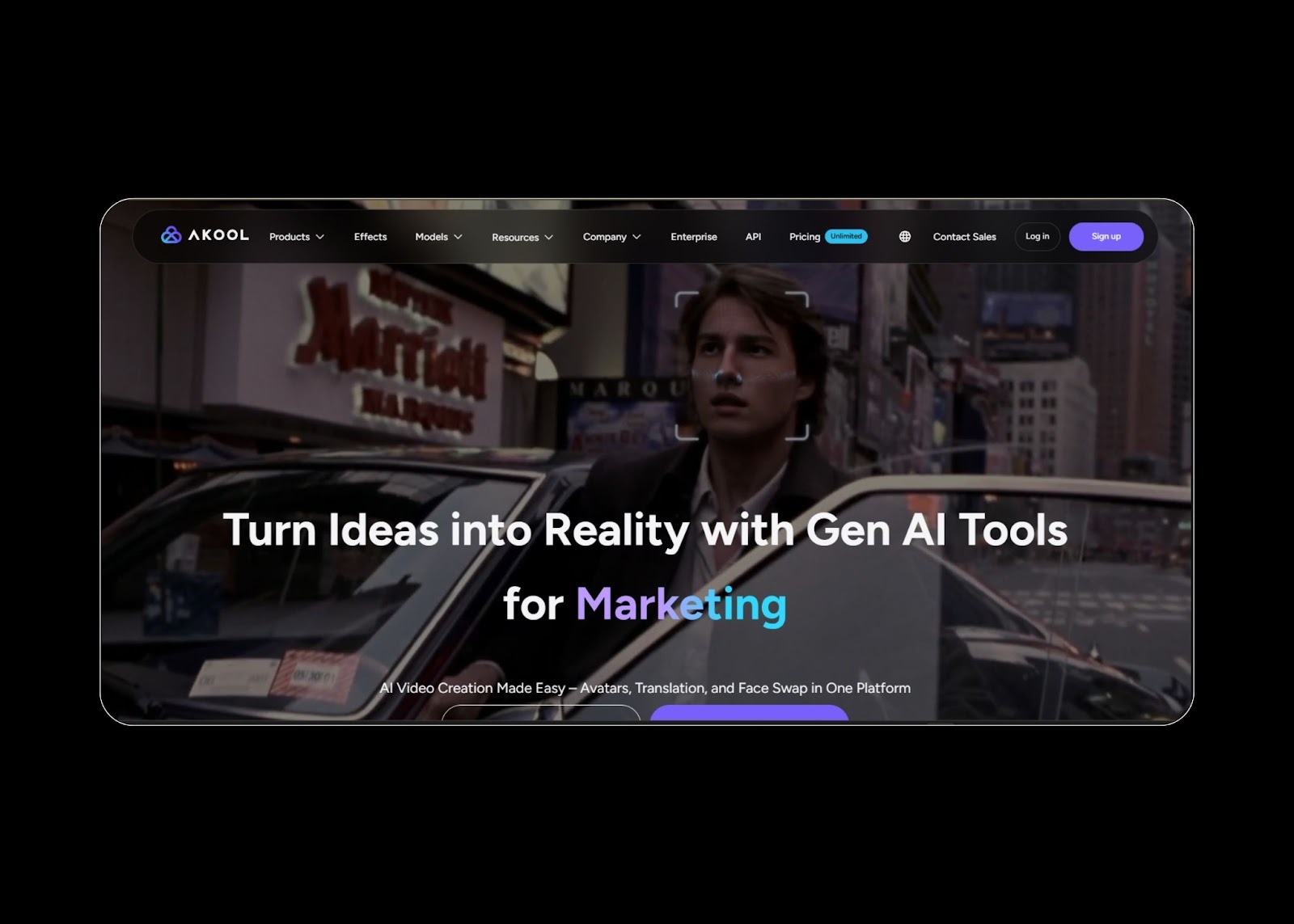
Akool provides video generation with voice dubbing and lip-sync across 155+ languages.
Strengths: Extensive language support, avatar creation
Limitations: Credit-based pricing accumulates quickly, learning curve for customization
Best For: Teams creating avatar-led multilingual videos.
3. Synthesia
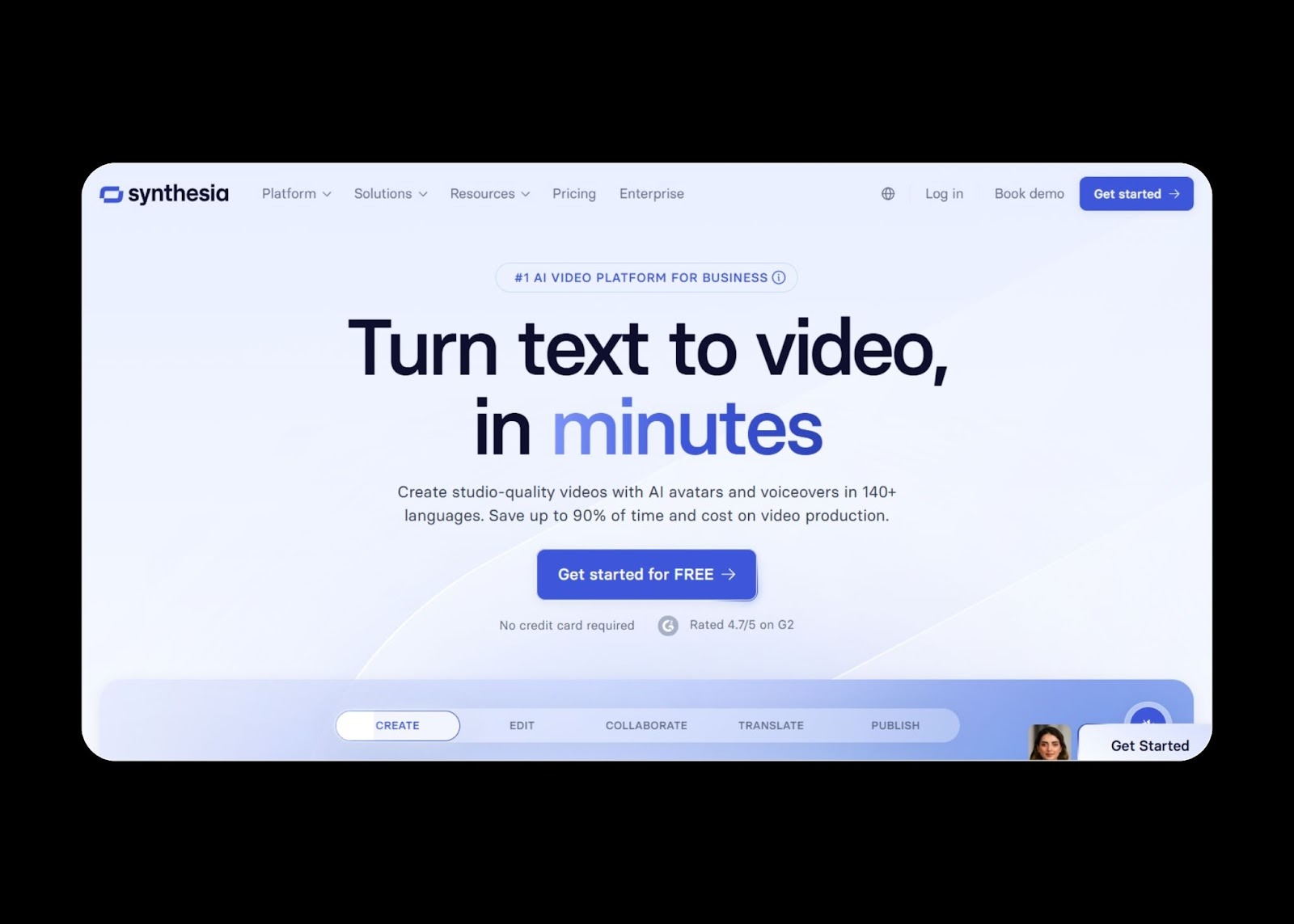
Synthesia creates avatar-led videos with AI voices for corporate training and marketing.
Strengths: Professional avatar quality, corporate templates
Limitations: Avatar-focused rather than dubbing-focused
Best For: Enterprise teams producing training videos.
4. Rask AI
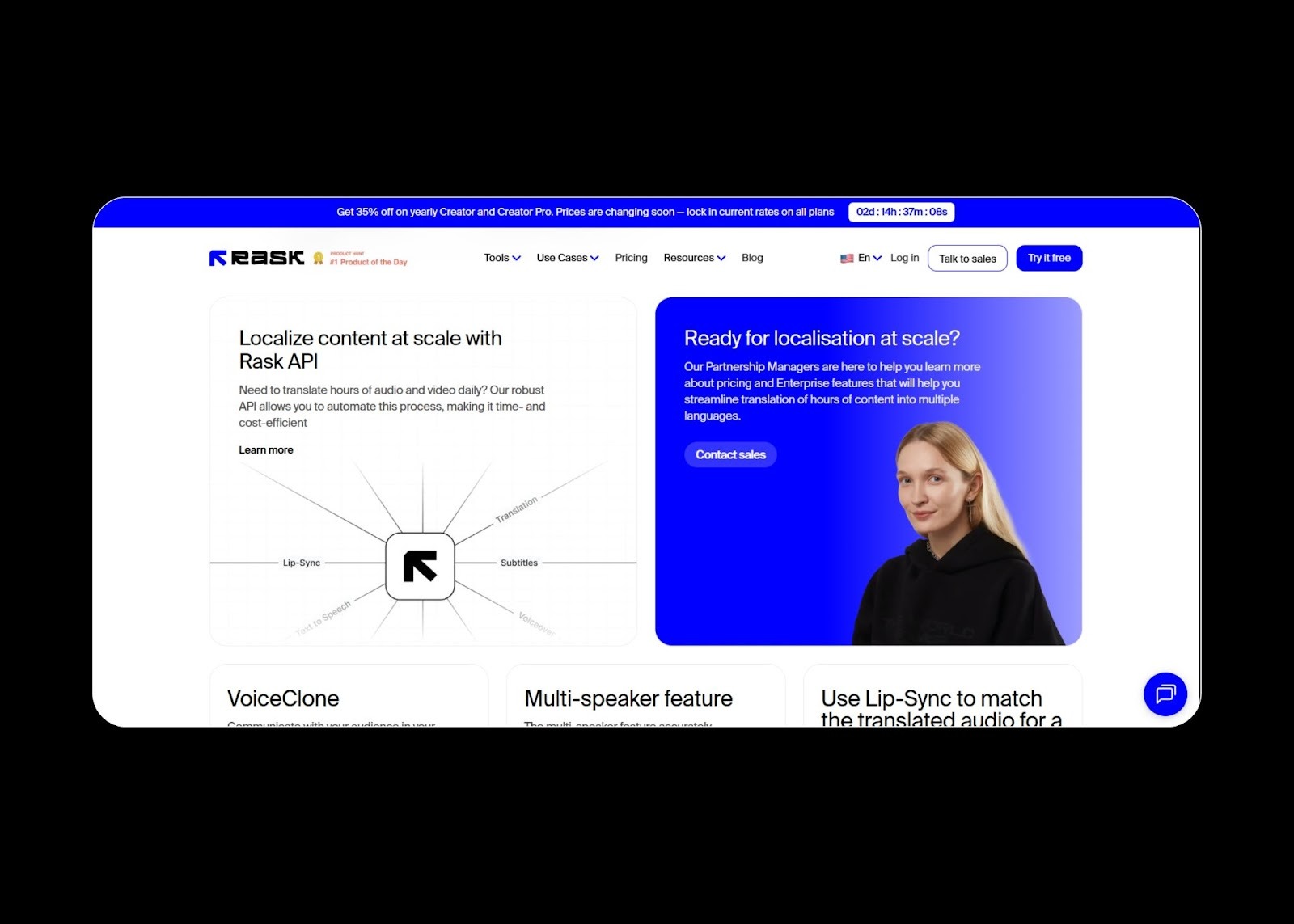
Rask AI offers video translation, dubbing, and localization with voice cloning capabilities.
Strengths: Comprehensive localization features, voice cloning
Limitations: Translation consistency varies, monotonic voice output reported
Best For: Creators needing all-in-one localization with editing.
5. Murf AI
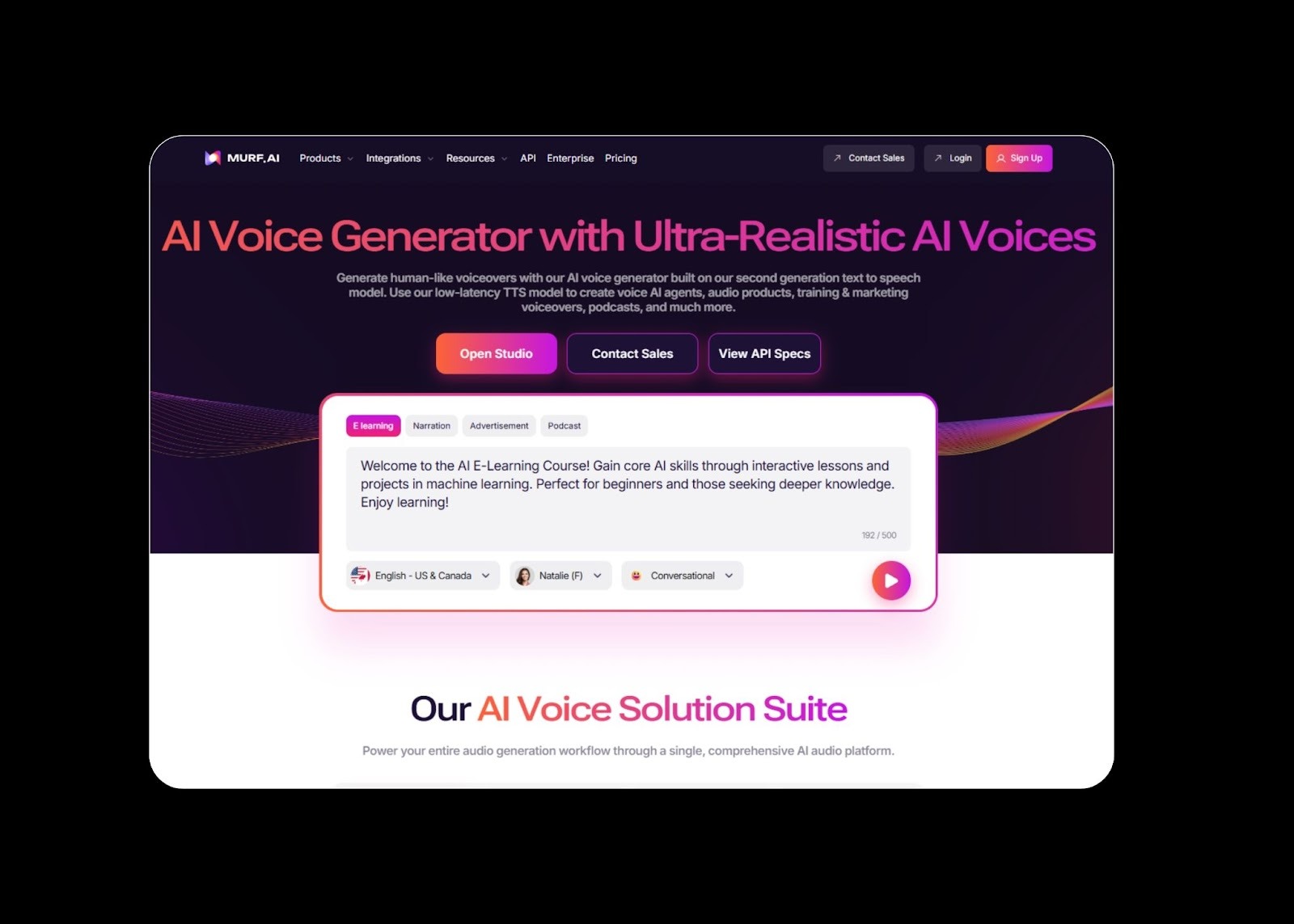
Murf AI provides voiceover generation with 120+ voices across 20+ languages.
Strengths: Voice variety, customization controls
Limitations: Some voices sound robotic, limited dubbing workflow
Best For: Creators needing voiceovers for presentations and e-learning.
6. HeyGen
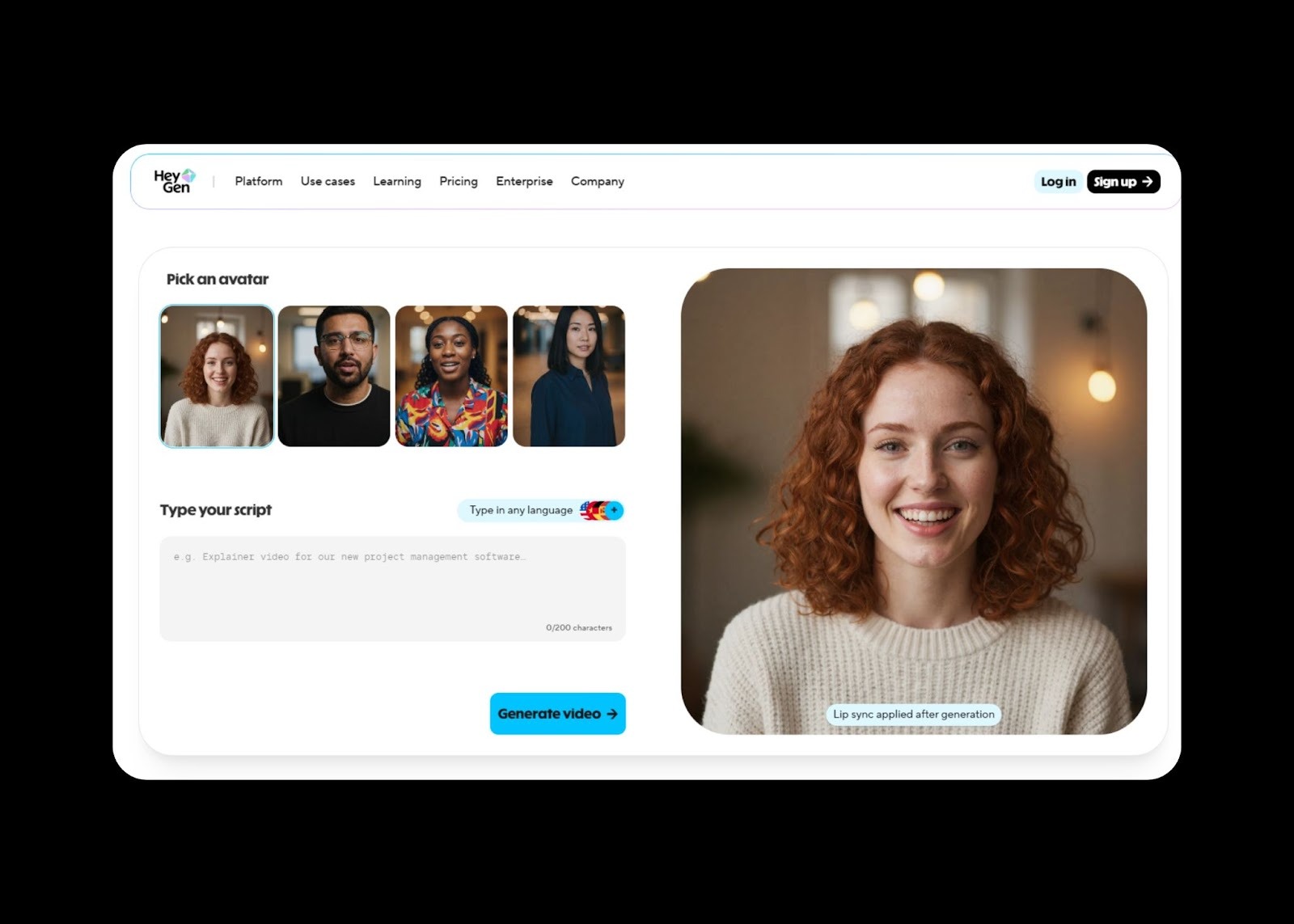
HeyGen offers avatar video creation with dubbing capabilities for marketing content.
Strengths: Fast generation, customizable avatars
Limitations: Limited dubbing depth, basic emotion control
Best For: Marketing teams creating social media content.
7. ElevenLabs
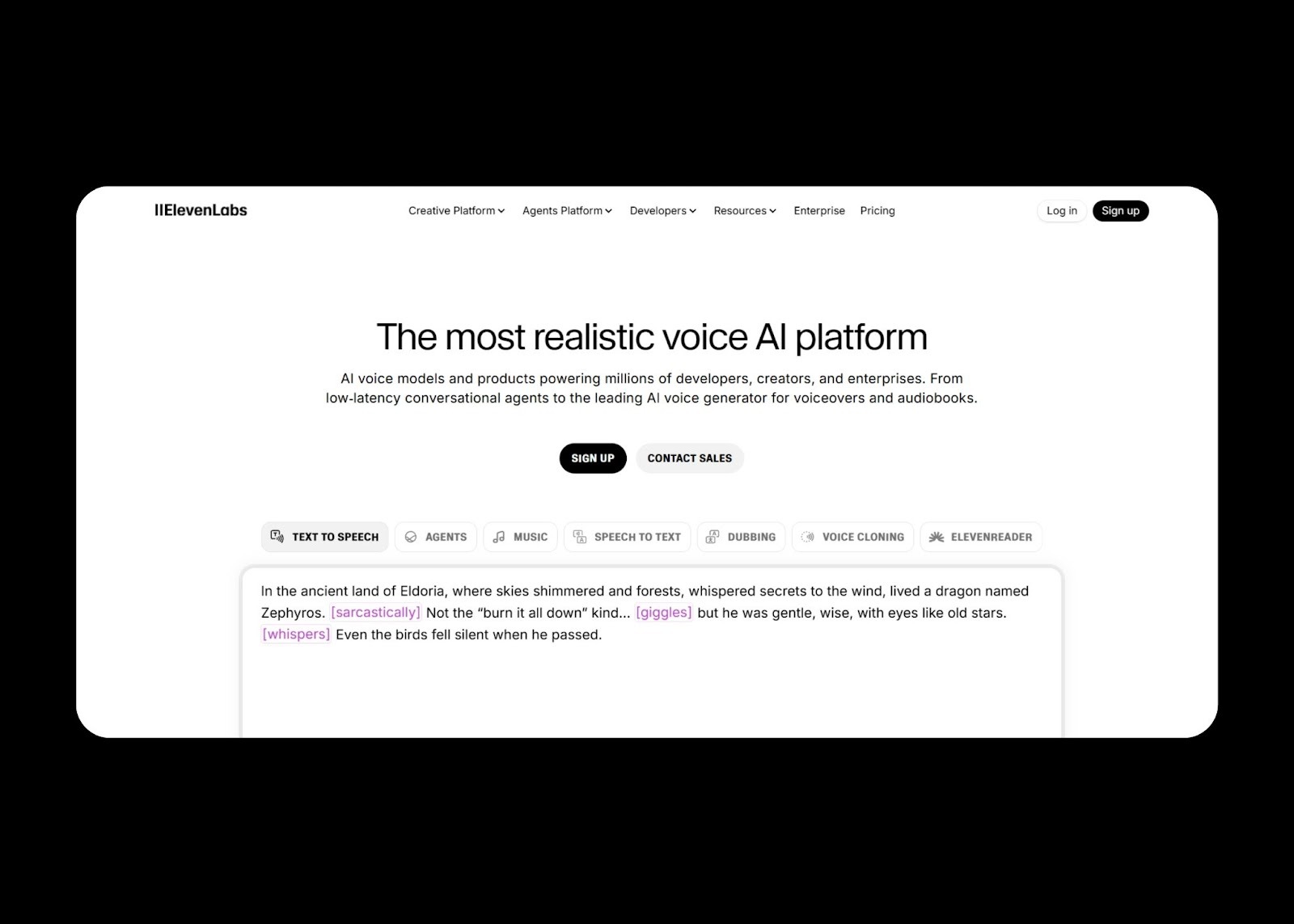
ElevenLabs generates realistic voices with advanced cloning and emotional control.
Strengths: High voice quality, emotion tuning
Limitations: Credit system costs accumulate for large projects
Best For: Podcast and audiobook creators requiring realistic voices.
8. Colossyan
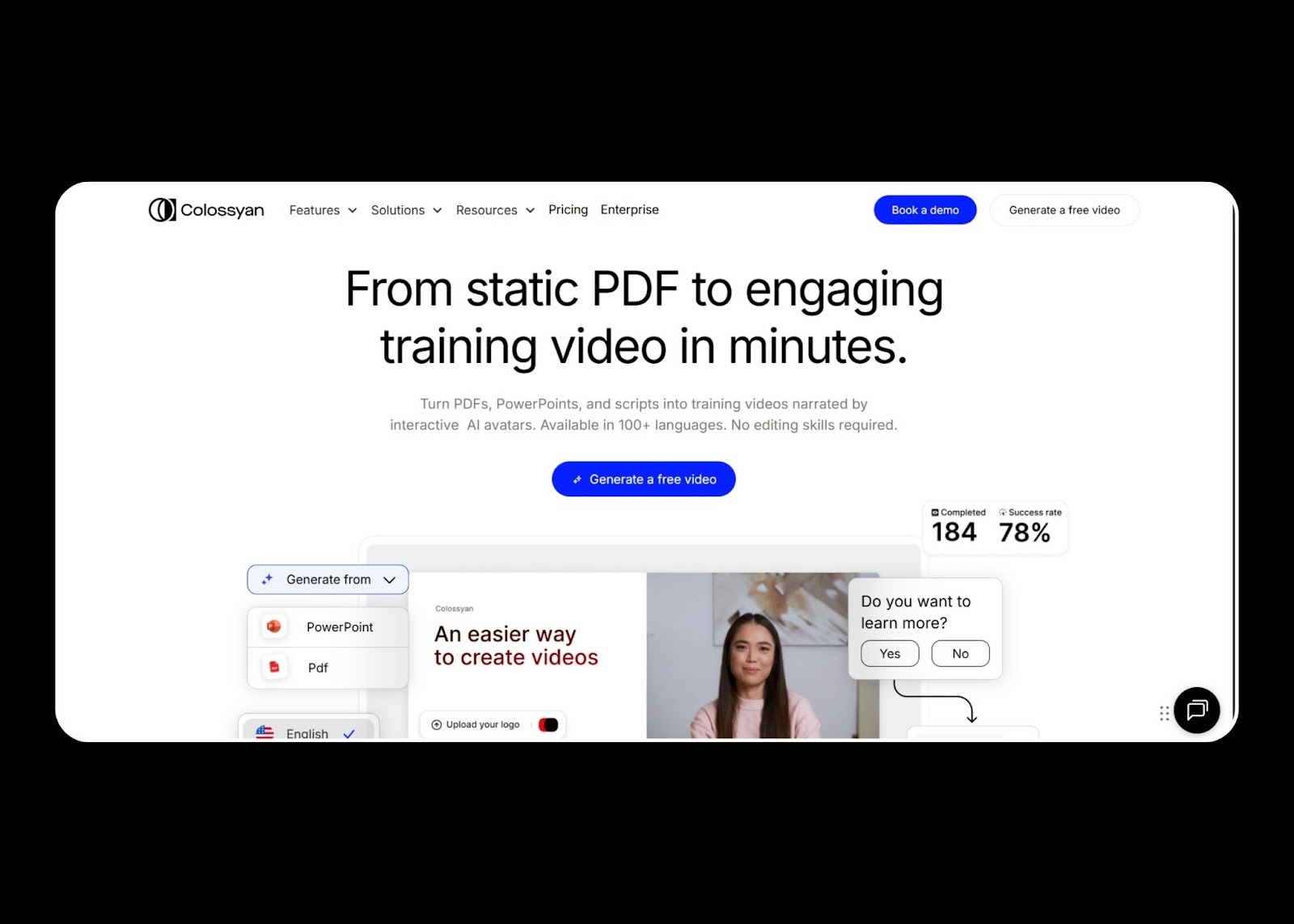
Colossyan produces AI videos with diverse avatars supporting 70+ languages.
Strengths: Avatar diversity, multi-avatar conversations
Limitations: Fewer languages than specialized dubbing platforms
Best For: Corporate training requiring diverse representation.
9. Descript
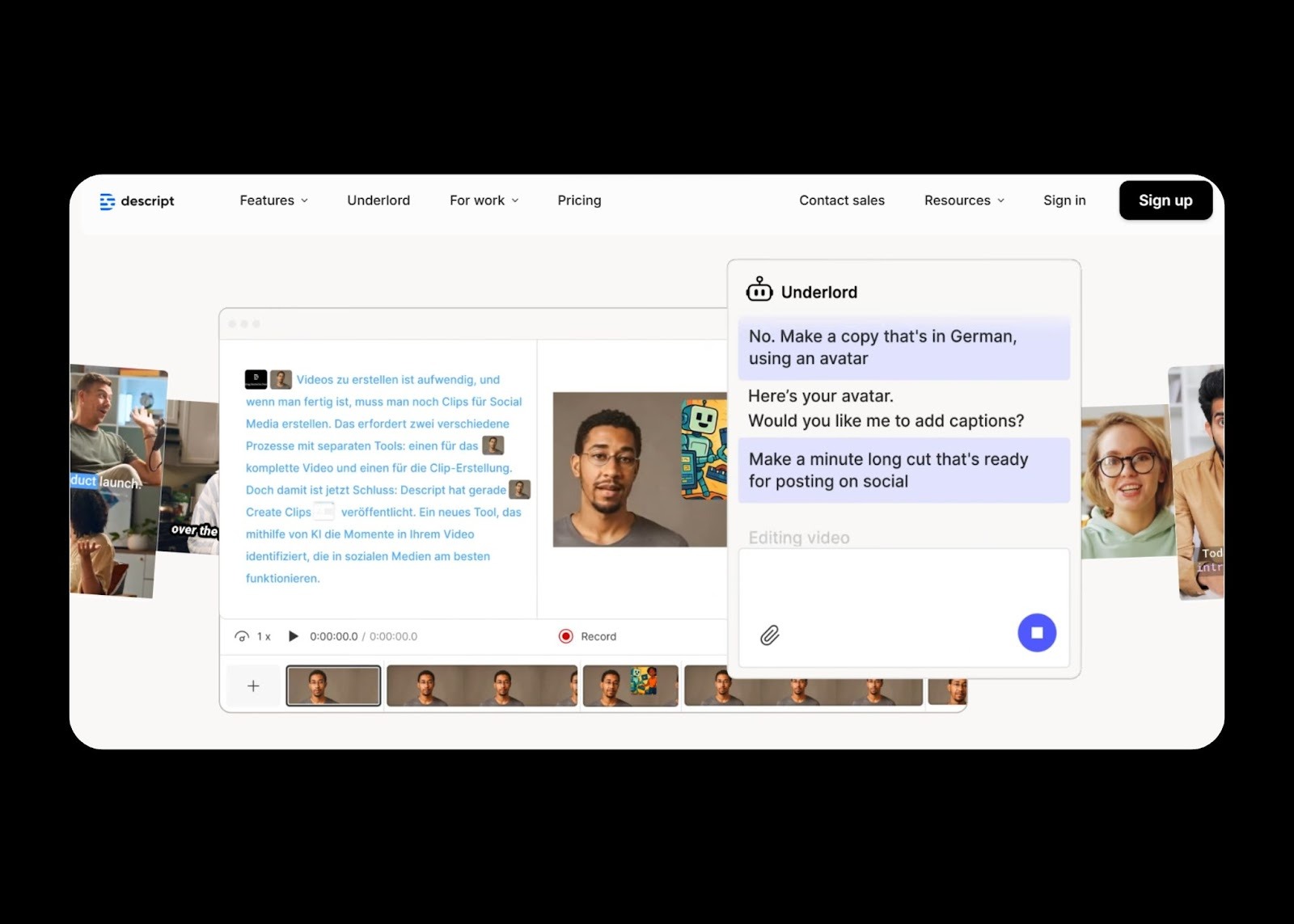
Descript provides text-based editing with AI transcription and overdub features.
Strengths: Text-based workflow, screen recording
Limitations: Steep learning curve, limited multilingual dubbing
Best For: Podcast creators needing editing with AI features.
10. VEED
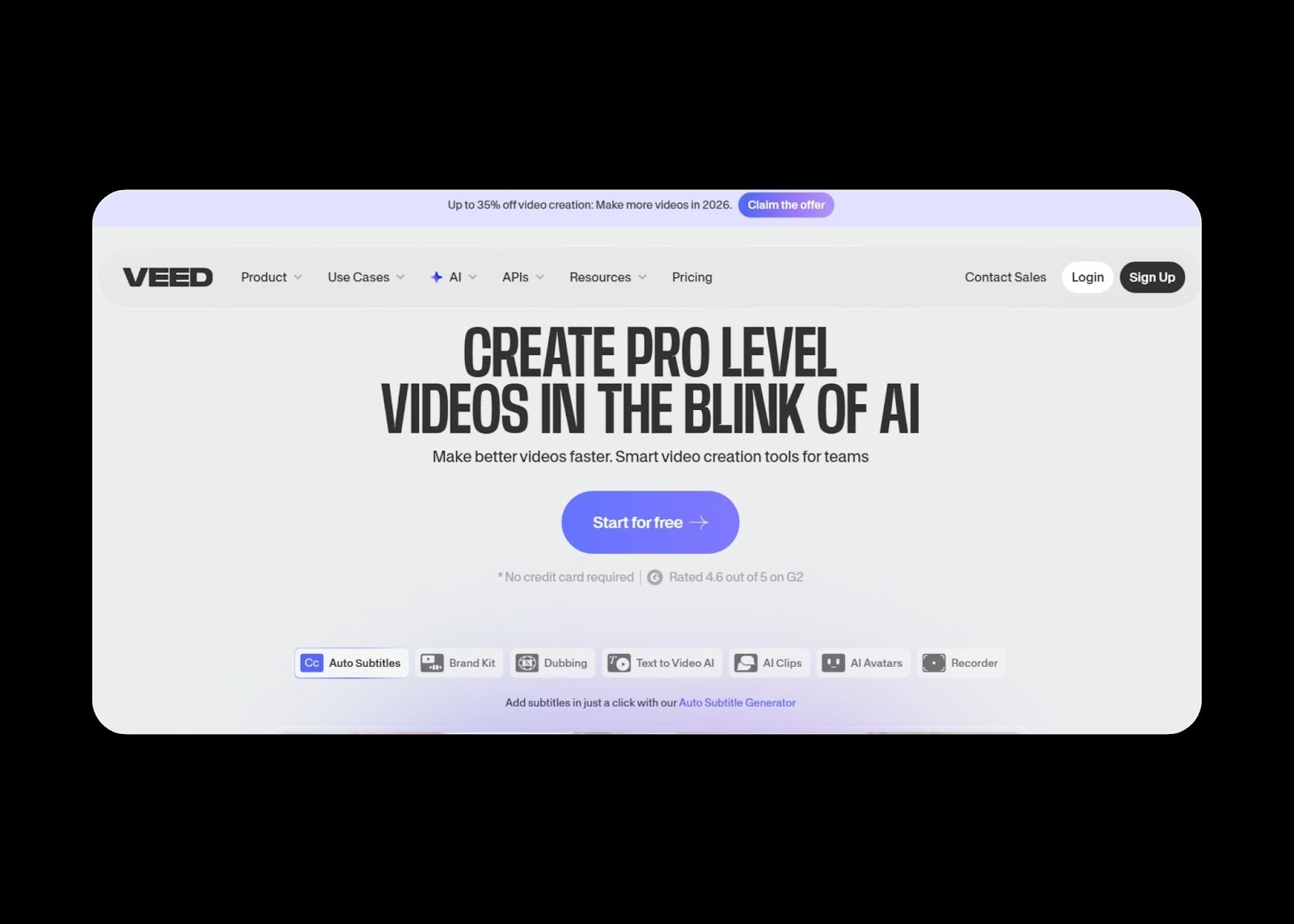
VEED combines video editing with AI capabilities, including subtitles and basic dubbing.
Strengths: Accessible interface, subtitle automation
Limitations: Limited voice cloning, basic dubbing features
Best For: Social media creators needing quick editing.
Selecting Your Platform
Choose based on your content requirements:
For Professional Dubbing: CAMB.AI offers comprehensive voice translation with speaker preservation across 150+ languages.
For Avatar Videos: Synthesia, Akool, and Colossyan provide strong avatar creation for training and marketing.
For Voice Generation: Murf AI and ElevenLabs serve teams needing quality voiceovers.
Getting Started with CAMB.AI
CAMB.AI provides enterprise-grade dubbing for content localization:
- Upload video content or connect live streams
- Select target languages from 140+ options
- Enable voice cloning to preserve speaker identity
- Generate dubbed content with automatic lip-sync
- Review cultural adaptations and publish
The platform handles everything from Hollywood films to live sports commentary, delivering broadcast-quality results that preserve emotional authenticity across languages.
Conclusion
Dubverse serves basic dubbing needs, but professional content localization demands specialized technology. CAMB.AI leads with voice cloning, extensive language support, and perfect lip-sync, making it the top alternative for creators prioritizing authentic multilingual content.
For teams focusing on avatar videos, platforms like Synthesia and HeyGen offer solid options. For genuine voice dubbing and localization, CAMB.AI provides the technology trusted by global entertainment and media organizations.
Egal, ob Sie Medienprofi oder Sprach-KI-Produktentwickler sind, dieser Newsletter ist Ihr Leitfaden für alles, was mit Sprach- und Lokalisierungstechnologie zu tun hat.
Häufig gestellte Fragen
Verwandte Artikel